
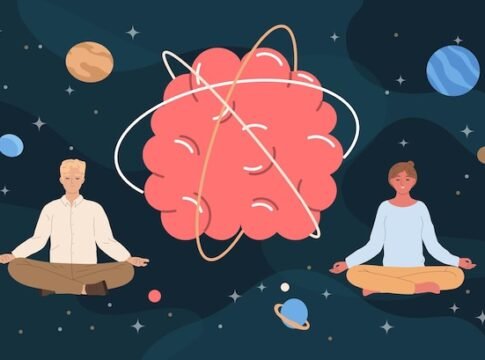
The Mind-Body Health Connection
Have you ever felt butterflies in your stomach before a big event or noticed how a walk in nature lifts your spirits? These experiences hint at a profound link between our physical bodies and emotional well-beingone that becomes increasingly significant as we age. For those over 40, understanding this interconnectedness can open doors to profound wellness insights and practices.
As we navigate life’s midstream, we may find ourselves reflecting more keenly on health holistically. Energy levels fluctuate, sleep patterns evolve, and mental clarity might need a daily boost. What could be the hidden mechanisms linking these experiences? Exploring the intriguing mind-body connection reveals pathways to enhance both mental and physical health.
The integration of mental and physical well-being isn’t just a philosophical concept; it’s increasingly substantiated by science. Researchers are uncovering the ways our thoughts, feelings, beliefs, and attitudes can affect physiological health and vice versa. Such discoveries empower us to adopt practices that nurture the body and mind synchronously.
Exploring Physiological Pathways
Understanding the mind-body connection hinges on recognizing physiological interactions. The autonomic nervous system, particularly the vagus nerve, plays a pivotal role in conveying messages between the brain and the body. Studies suggest that mindfulness and meditation can stimulate the vagus nerve, promoting relaxation and reducing stress.
This neural conduit is vital in regulating heartbeat, digestion, and moodhighlighting how stress or emotional upheaval might manifest physically. Conversely, physical ailments can alter emotional states, illustrating a complex, bidirectional relationship.
Emotions and Immunity
Our emotional states can significantly impact our immune system. Research suggests that persistent stress or negative emotions might impair immune function, making us more susceptible to illnesses. Conversely, positive emotions and a sense of well-being may support immune health.
Laughter and joy activate endorphins and boost immune responses.
Chronic stress could lead to inflammation, which may exacerbate existing conditions.
Emotional resilience, nurtured through therapy or social support, is associated with enhanced immunity.
Mindful Movement Initiatives
The practice of combining movement with mindfulness, such as yoga or Tai Chi, exemplifies the potential of aligning physical and mental practices for improved health. These activities have been associated with reduced anxiety, heightened flexibility, and a deeper sense of calm.
Moreover, gentle movements support joint health and enhance circulationa boon for those experiencing age-related changes in flexibility and energy.
Nutrition and Mental Clarity
It’s increasingly clear that what we eat not only fuels our body but also our brain. Nutrients play a crucial role in cognitive functions and emotional regulation. Omega-3 fatty acids, found in fish, and antioxidants from fruits and vegetables, are known to support brain health and may even ease symptoms of depression.
Diets rich in antioxidants can combat oxidative stress, linked to cognitive decline.
Vitamin D is associated with mood regulation; deficiencies might contribute to mood swings.
A balanced diet can positively influence neurotransmitter production, enhancing mental clarity.
Therapeutic Tools and Techniques
Various therapeutic techniques, like cognitive behavioral therapy (CBT) and mindfulness-based stress reduction (MBSR), highlight the power of the mind in healing. These approaches teach us to modify thought patterns and enhance emotional regulationultimately contributing to physical health benefits.
Mindfulness practices, for example, have been associated with lowered blood pressure, reduced anxiety, and improved quality of sleep. By embedding these practices into daily life, individuals over 40 can nurture both mind and body, optimizing well-being.
Simple Daily Takeaways
Practice mindfulness daily to reduce stress and promote relaxation.
Integrate movement with mind-focused activities, like yoga or Tai Chi.
Adopt a diet rich in physical and mental health-boosting nutrients.
Engage in activities that bring joy and laughter to support immune function.
Utilize therapeutic techniques to enhance emotional well-being and physical health.
