
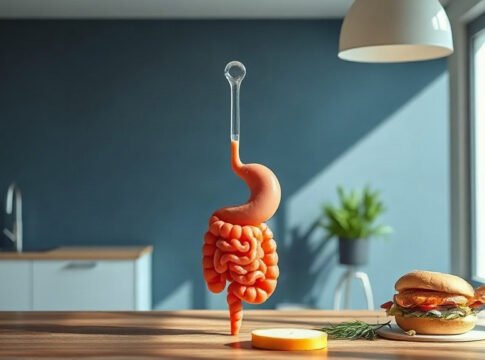
*How low fiber starves your microbiome—and what that does to your gut lining*
KEY STATISTICS
- **Gut bacteria can begin breaking down protective mucus when fiber intake drops below adequate levels.**
- **Plant-based indigestible proteins help microbes produce beneficial compounds that protect gut integrity.**
- **Adults 35-45 often underestimate fiber needs while managing career stress and family demands.**
You probably think of your gut bacteria as independent residents of your digestive tract. But they’re more like roommates—and they need to be fed. When fiber runs low, your microbes don’t simply go hungry and wait quietly.
Research shows they may start consuming the protective mucus lining that shields your gut wall, triggering a cascade of problems you might not immediately connect to your diet.
How Fiber Starvation Changes Everything
Your gut microbiome relies on fiber as its primary food source. When adequate fiber is absent, bacteria shift their feeding behavior—they begin breaking down the glycoproteins in your intestinal mucus layer, the very barrier designed to protect your gut wall from damage and bacterial overgrowth.
- Fiber feeds beneficial bacteria, which ferment it into short-chain fatty acids that strengthen gut health
- Without sufficient fiber, microbes turn to mucus proteins as an alternative food source
- This mucus degradation weakens the gut barrier, allowing inflammatory substances to leak into circulation
- Plant-based indigestible proteins (like those in legumes and certain grains) help microbes produce protective compounds instead
Why Your 40s Are Critical
Your 40s are when fiber intake often drops most noticeably. Work stress, rushing through meals, and shifting priorities mean fewer whole grains, vegetables, and legumes on your plate. Combined with age-related changes in digestion, this creates a perfect storm for microbial stress.
- Digestive motility naturally slows with age, making adequate fiber intake even more important for movement and microbe health
- Time pressure peaks during midlife—career demands and family obligations often shrink meal prep and whole-food eating
- Your gut barrier function becomes more vulnerable to disruption, making protective mucus health essential now
- Years of suboptimal fiber intake compound, creating deeper microbial imbalance harder to reverse quickly
Watch for These Signs
- Persistent bloating, gas, or unpredictable digestion despite no obvious food triggers
- Unexplained fatigue, brain fog, or mood shifts (linked to gut barrier dysfunction)
- New or worsening food sensitivities or loose stools alternating with constipation
- Joint aches, skin issues, or low-grade inflammation without obvious cause
- Increased susceptibility to colds or frequent digestive upset after eating
What Diet Actually Changes
Rebuilding your microbial ecosystem requires consistent, deliberate fiber intake—not a single meal or supplement. The goal is to feed your bacteria consistently so they stop scavenging your gut lining. Plant-based indigestible proteins amplify this protection by helping microbes produce additional beneficial compounds.
- Aim for 25-35g of fiber daily from whole grains, legumes, vegetables, and fruits—spread across all meals
- Prioritize insoluble fiber sources like beans, lentils, and whole wheat to feed microbes compounds that produce protective metabolites
- Introduce fiber gradually over 2-3 weeks to avoid bloating while your microbiome adjusts
- Include fermented foods (sauerkraut, kimchi, yogurt) to introduce additional beneficial bacteria while you repair your ecosystem
Your Week-by-Week Plan
- Week 1: Audit your current fiber intake using a food tracker app—most adults underestimate by 40%
- Week 2: Add one high-fiber meal daily (lentil soup, whole grain bowl, bean-based dinner) without removing other foods
- Week 3: Introduce one plant-based protein source at lunch (chickpeas, split peas, or white beans) and monitor digestion
- Week 4: Aim for consistent 25-30g daily fiber across all meals; note energy, digestion, and mood changes
- Ongoing: Plan two weekly whole-food prep sessions to ensure fiber-rich meals don’t get squeezed out by convenience foods
The Stress-Sleep Connection
Stress and sleep directly impact your microbial function and your gut barrier’s ability to stay intact. When you’re sleep-deprived or chronically stressed, your microbiome becomes more reactive and more likely to cause inflammation—even with adequate fiber. The fiber works best when your nervous system isn’t in constant overdrive.
- Chronic stress reduces gut barrier integrity independently of diet—cortisol disrupts the mucus layer and microbial balance
- Poor sleep (less than 6-7 hours) weakens your immune response in the gut, making mucus damage more likely to trigger inflammation
- Combining adequate fiber with sleep prioritization (7-8 hours) and stress management creates a compound protective effect
- Even modest stress-reduction practices (20 minutes of walking, breathwork) help your fiber work more effectively
Bottom Line
Your microbiome isn’t just asking for fiber—it’s asking for survival. When fiber runs low, your gut bacteria begin consuming the protective mucus lining meant to shield you from inflammation and disease. The good news: this process is reversible.
By consistently eating adequate fiber and plant-based indigestible proteins, while protecting your sleep and managing stress, you can rebuild your microbial ecosystem and restore the barrier that protects your entire health. Start this week, be patient with the process, and trust that 2-3 weeks of consistency will begin to shift how you feel.
HealthyWellbeing — always consult a qualified healthcare provider before making changes to your health routine.
Sources
- When fiber is low, gut microbes eat you — ScienceDaily — Health & Medicine
- Fiber and gut health overview — NIH National Institute of Diabetes and Digestive and Kidney Diseases
- Understanding the gut microbiome — Mayo Clinic
