
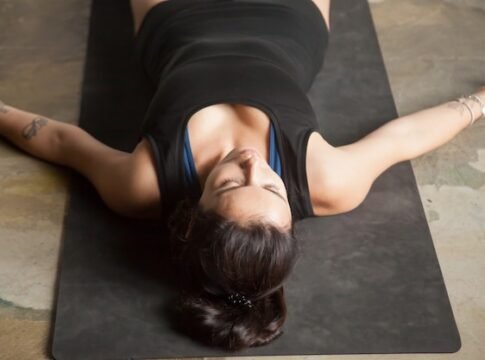
After turning forty, life’s pace can be both thrilling and exhausting. Juggling responsibilities from work, family, and self-care, we often find ourselves caught in a whirlwind of activity. As we strive to maintain our energy levels and mental clarity, it becomes imperative to seek out practices that offer genuine relaxation without demanding extensive time or effort.
Restorative yoga provides a haven in the midst of life’s chaos. This gentle and soothing practice encourages the body and mind to slow down, promoting a sense of inner peace and rejuvenation. Unlike more dynamic forms of yoga, restorative yoga focuses on deeper relaxation and subtle mind-body awareness, making it particularly appealing as we navigate changes and challenges in our forties and beyond.
Whether you’re new to yoga or have practiced for years, restorative yoga uniquely balances relaxation with mindful awareness, inviting you to reconnect with yourself. Discover how incorporating these transformative practices can help recharge your spirit and body.
The Essence of Restorative Yoga
Restorative yoga emphasizes deep relaxation over physical exertion. It differs from traditional yoga styles as it prioritizes long-held poses supported by props like bolsters, blankets, and blocks. This setup facilitates the body’s ability to let go entirely and enter a state of profound restorative rest.
While poses are held for longer periods, typically five to ten minutes or more, the use of props ensures that the body is comfortably supported. This aspect makes restorative yoga especially effective for those over forty, who may experience more pronounced shifts in flexibility and energy levels.
Benefits for the Mind and Body
As we delve deeper into the forties, both mental and physical well-being become prominent focal points. Restorative yoga offers an array of benefits that align perfectly with these needs:
Reduces Stress: By entering a restorative state, the body’s stress response is calmed, which can help reduce anxiety.
Enhances Sleep Quality: Research suggests that relaxation techniques foster better sleep patterns, promoting deeper and more restful slumber.
Improves Flexibility: The gentle stretch and prolonged holds in restorative yoga are associated with enhanced flexibility without strain.
Boosts Mood: Experts note that relaxation practices may support the release of endorphins, contributing to a more positive outlook.
Incorporating Restorative Practices
Beginning a restorative yoga practice is simple and accessible. Unlike high-intensity workouts, restorative yoga can be seamlessly integrated into daily routines. Here are some ways to get started:
Create a Calm Space: Dedicate a serene area of your home for practice. Soft lighting, calming music, or nature sounds may enhance the environment.
Start Small: Set aside ten to fifteen minutes a few times a week to focus on restorative poses. Gradually, as the practice becomes more familiar, you might find it natural to extend this time.
Utilize Online Resources: Numerous virtual classes and tutorials are available to guide you through gentle sequences tailored for relaxation and restoration.
Key Postures to Explore
Delving into restorative yoga can be as simple as exploring a few foundational poses. These postures foster relaxation and can be held for extended periods:
Supported Child’s Pose (Balasana): A gentle release for the back and shoulders, using bolsters to support the torso.
Reclining Bound Angle Pose (Supta Baddha Konasana): Opens the chest and hip area, facilitated by cushions under the knees and head.
Legs Up the Wall Pose (Viparita Karani): Promotes circulation and eases tension in the lower back with effortless inversion.
Simple Daily Takeaways
Restorative yoga transcends being just a physical practice; it becomes a lifestyle approach inviting peace and balance. Heres how you can integrate its essence into everyday life:
Set aside time daily for quiet contemplation, even if its just five minutes.
Focus on your breath, using deep breathing techniques to anchor your presence to the moment.
Remember, relaxation is a journey, not a destination. Its about cultivating patience and letting go.
