
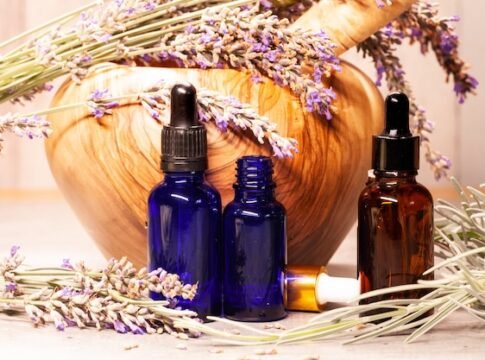
Imagine stepping into a room where the air is infused with a subtle, calming fragrance that instantly lifts your spirits. For many, this is not just a luxury, but a regular practice facilitated by the use of essential oils. As we age, the pursuit of holistic wellness becomes increasingly pertinent, and aromatherapy offers a gentle, aromatic avenue to enhance our daily lives. Whether you’re seeking emotional balance or seeking to instill a sense of tranquility, the world of essential oils may hold the key.
For adults over 40, the benefits of aromatherapy can be particularly appealing. As we age, shifts in energy levels, sleep patterns, and even skin texture become more noticeable, often prompting a search for natural, non-invasive solutions. While essential oils are no panacea, they offer potential for supporting well-being in a way that feels like a nurturing retreat from the complexities of daily life.
Aromatherapy might seem straightforward, but it’s steeped in intricacies and traditions that date back centuries. Understanding how essential oils work and how they can be integrated into daily routines requires more than just a casual interest. It involves a commitment to learning and experimenting to find what resonates on a personal level.
The Essence of Essential Oils
Essential oils are concentrated plant extracts that retain the natural fragrance and properties of their source. They are typically derived from leaves, stems, flowers, bark, or roots. The process of extracting these oilsoften through distillationensures that the essence of the plant is captured in a potent, fragrant form.
What sets essential oils apart is their ability to engage more than just the olfactory senses. Research suggests that the olfactory receptors connect to areas of the brain involved in emotion and memory, explaining why scents can evoke strong emotional responses. This link makes essential oils a valuable tool in holistic wellness approaches.
Common Oils and Their Associations
When delving into aromatherapy, it’s helpful to familiarize yourself with some commonly used essential oils:
Lavender: Known for its calming properties, lavender is associated with stress relief and improved sleep quality.
Eucalyptus: Often used to promote respiratory health. Its refreshing aroma can help clear the mind and facilitate breathing.
Peppermint: This invigorating oil is often used for energy boosts and may support mental clarity.
Rosemary: Associated with memory and concentration, making it a popular choice for those seeking cognitive support.
Tea Tree: Valued for its purifying properties, this oil is commonly used in skincare regimens.
Integrating Aromatherapy into Daily Life
Incorporating essential oils into daily routines can be both straightforward and deeply personal. Here are several ways to enjoy the benefits of aromatherapy:
Diffusion: Using an essential oil diffuser disperses the fragrance into your environment, creating an inviting atmosphere.
Topical Application: When diluted with a carrier oil, essential oils can be applied to the skin. This method can be soothing, particularly when combined with massage.
Inhalation: A few drops on a tissue or in steaming water can provide immediate aromatic benefits.
In Bathwater: Adding essential oils to a bath can enhance relaxation, turning a simple bath into a spa-like experience.
Precautions and Considerations
While essential oils are natural, they are also potent, and caution is advised when using them. Experts note that certain oils can cause skin irritations or allergic reactions, particularly if applied directly without dilution. It is always advisable to perform a patch test when trying a new oil.
Also, it’s crucial to use essential oils from reputable sources to ensure purity and potency. Synthetic substitutes may not provide the same benefits and could potentially cause adverse reactions.
Simple Daily Takeaways
Aromatherapy provides a holistic approach to enhancing well-being through scent.
Essential oils are best used as part of a broader routine for emotional and physical balance.
Always dilute essential oils if applying topically to avoid irritation.
Choose high-quality oils from trusted suppliers to ensure safety and efficacy.
