
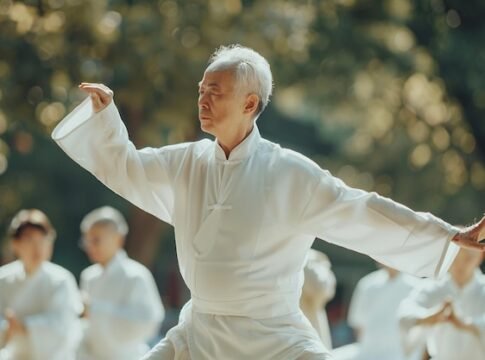
Harmonize Work-Life with Tai Chi
For those navigating the demands of modern life, finding balance often feels elusive, especially as the years gracefully unfold past our 40s. The pressures of a career, family, and social obligations can often leave little room for self-care. Yet, as we age, the importance of nurturing both physical and mental well-being becomes unmistakably clear.
For many, Tai Chi offers a harmonious bridge between work and life obligations, calming the mind while gently conditioning the body. This ancient Chinese practice is more than a sequence of fluid movements; it encapsulates a philosophy of balance that can extend beyond the practice mat into everyday life. But how, you might wonder, does this practice translate to a more balanced existence?
The answers unfold gracefully, like the art of Tai Chi itself. With its gentle pace and reflective nature, Tai Chi invites us to slow down and center ourselves amidst lifes busyness. Lets explore how embedding this time-honored practice into your routine can help harmonize the ever-present tug of work-life responsibilities.
Understanding the Essence of Tai Chi
Tai Chi is often likened to a moving meditation or “meditation in motion.” Despite its soft, deliberate movements, this practice strengthens muscles, enhances flexibility, and improves balance. The practice is accessible to all fitness levels, making it an excellent choice for those seeking a low-impact yet highly effective form of exercise.
The philosophy of Tai Chi focuses on the cultivation of “Qi,” or life force energy, purported to flow through pathways in the body, promoting health and vitality. Integrating Tai Chi into your life is less about rigorous routines and more about embracing a peaceful, mindful approach to movement and presence.
Combating Work-Related Stress
Work-related stress is a common narrative among adults, and research suggests that chronic stress can have profound consequences on our health. Here, Tai Chi emerges as a powerful tool in stress management. The gentle, rhythmic movements of Tai Chi encourage the release of tension and promote relaxation.
Mindfulness in Motion: Practicing Tai Chi cultivates a mindful awareness of breath and movement, similar to meditation, which is associated with reduced stress and increased emotional resilience.
Breathing Techniques: Deep, intentional breathing is emphasized, helping to calm the nervous system and alleviate anxiety.
Promoting Mental Clarity
As we age, maintaining mental clarity becomes crucial, especially amidst the demands of a hectic schedule. Tai Chi not only soothes the mind but also sharpens it. The concentration required to perform the sequences can enhance cognitive functions, such as memory and focus.
Cognitive Benefits: Experts note that Tai Chi is associated with improved cognitive performance, especially in areas concerning attention span and memory retention.
Focus On The Present: Each movement requires a focus on the present moment, cultivating a sense of clarity and purpose.
Enhancing Physical Well-Being
In our 40s and beyond, physical changes like reduced muscle mass, decreased bone density, and slower metabolism become more prevalent. Tai Chi may support overall physical health without the rigorous demands of high-impact workouts.
Balance and Coordination: The practice involves slow, intentional movements that improve stability and prevent falls.
Joint Relief: Its low-impact nature is gentle on the joints, making it an excellent exercise for individuals with arthritis or joint discomfort.
Transforming Daily Routine
Incorporating Tai Chi into daily life need not be burdensome. On the contrary, it can seamlessly fit into even the busiest schedules, transforming routine practices into meditative experiences. Whether in a park, a quiet room at home, or even during a lunch break, a few minutes of Tai Chi is enough to cultivate a sense of peace and balance.
Short Sessions: Just 10-15 minutes a day can be beneficial, offering a refreshing pause that centers and energizes.
Adaptability: Tai Chi can be practiced anywhere, anytime, requiring only a small space and a willing mind.
Simple Daily Takeaways
Begin by learning a few basic Tai Chi movements from reputable sources or local classes.
Incorporate short daily sessions to manage stress and enhance relaxation.
Practice mindful breathing to accompany movements for greater mental clarity.
Consider Tai Chi as part of a holistic approach to health, benefiting both body and mind.
