
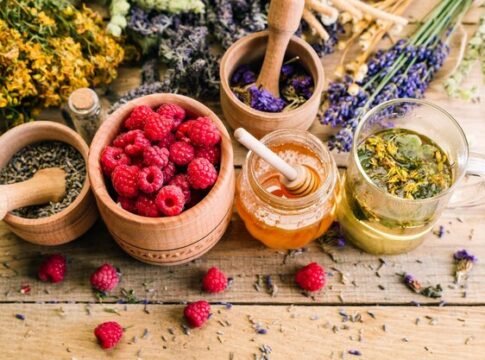
It’s a serene afternoon as you walk through a blooming garden, the scent of lavender mingling with the crisp air. You pause to consider the growing interest in herbal remedies. For many, these natural wonders offer an intriguing alternative to conventional wellness practices. Particularly for those over 40, the charm of herbal remedies lies in their potential to enhance well-being without the daunting side effects often linked to pharmaceuticals.
As you pass by rows of chamomile and mint, the question emerges: can these plants genuinely support a better state of health, or are they mere embellishments in the therapeutic landscape? Science and tradition together suggest a place for herbs, though it’s essential to approach them with an informed and cautious mindset.
Join us in a journey beyond the medication bottle, as we delve into the world of herbal remedies. We’ll explore why embracing these natural aids could complement your holistic wellness routine, understanding both their potential and their limitations.
Herbal Remedies: A Glimpse Into the Past
Herbs have been at humanity’s side for thousands of years. Ancient civilizations like the Egyptians and Chinese utilized herbals for their potential health benefits. Although today we have sophisticated medical tools at our disposal, the allure of herbal remedies persists.
Why, you might wonder, do these ancient practices continue to capture our attention? The reason may lie in their holistic approach, which considers the spirit and body as one. This ancient wisdom dovetails with modern insights to offer a more comprehensive view of health that appeals particularly to those seeking balance and vitality in their later years.
Research-Backed Benefits of Herbs
Modern research suggests certain herbs can support various aspects of health. Here are several well-studied examples:
Turmeric: Known for its anti-inflammatory properties, turmeric is often associated with joint health, a common concern as we age.
Ginger: Experts note ginger may aid digestion and reduce nausea, making it a handy herb for those dealing with digestive discomfort.
Ginseng: This herb is linked with improved energy levels and mental clarity, which can be beneficial as you navigate the demands of life over 40.
These herbs demonstrate the potential of nature’s pharmacy. However, it is critical to understand that while herbs can support wellness, they are not substitutes for professional medical advice.
Safe Ways to Incorporate Herbs
For those eager to integrate herbs into their wellness regimen, it’s crucial to proceed with care. Here are some tips:
Always consult with a healthcare professional before starting any new herbal remedy, particularly if you are on medication or have underlying health conditions.
Consider starting with tea blends, tinctures, or capsules from reputable brands to ensure quality and potency.
Pay attention to your body’s responses. Start with small amounts and gradually increase as needed.
Mindful integration can help you harness herbs’ benefits without compromising your health.
The Realities of Herbal Usage
While herbs offer potential benefits, it’s important to recognize their limitations. Herbal remedies should be part of a comprehensive approach to good health, rather than a primary treatment for specific medical conditions.
Some people expect instant results, similar to conventional medications, but herbal benefits may manifest gradually, often within weeks. Patience is a virtue in this realm, and realistic expectations can lead to more rewarding experiences.
Engaging with herbal remedies is about embracing a lifestyle a commitment to holistic self-care over time.
Simple Daily Takeaways
Explore herbal remedies as a complement to, not a replacement for, conventional healthcare.
Start with well-researched herbs like turmeric, ginger, and ginseng for their associated benefits.
Consult health professionals before diving into new herbal treatments, especially if you have health conditions or are on medication.
Choose quality and reputable sources for your herbal needs to ensure safety and efficacy.
Embrace the journey with patience and openness, understanding that herbal remedies are part of a holistic lifestyle approach.
