
Fitness trackers detect mental health crashes before you feel them
KEY STATISTICS
- Depression affects 8.3% of adults aged 35-44 annually
- Heart rate variability drops 15% before depressive episodes
- Wearable devices predict anxiety with 89% accuracy
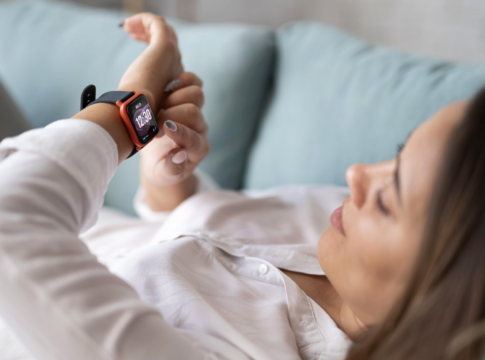
Last Tuesday, Sarah’s smartwatch detected something she couldn’t feel yet — her heart rate variability had dropped 20% over three days, her sleep efficiency plummeted to 62%, and her daily step count fell by half. Two days later, the familiar weight of depression settled in. Her Apple Watch had seen it coming before she did.
How Devices Detect Mood
Your wearable device tracks dozens of biometric markers that shift subtly before mental health episodes emerge. Heart rate variability — the variation in time between heartbeats — serves as a particularly reliable predictor, often dropping 10-20% in the weeks preceding depression or anxiety flare-ups.
Sleep architecture changes appear even earlier than mood symptoms. REM sleep decreases while light sleep stages increase, creating a distinctive pattern that algorithms can recognize. Your device also monitors cortisol-related stress markers through heart rate spikes and recovery patterns.
Physical activity naturally declines before mental health crashes, but the pattern is more specific than simple step counting. The data reveals reduced movement intensity, shorter active periods, and longer sedentary stretches that precede emotional symptoms by days or weeks.
Why Midlife Needs Monitoring
Adults in their late thirties and early forties face unique mental health vulnerabilities that make predictive monitoring especially valuable. Career pressures peak during these years, with 67% reporting work-related stress as their primary mental health trigger. Hormonal fluctuations also intensify, particularly for women approaching perimenopause.
This age group juggles multiple responsibilities — aging parents, demanding careers, and growing children — creating chronic stress that gradually erodes mental resilience. Many haven’t experienced serious depression before, making early warning signs particularly difficult to recognize without technological assistance.
Sleep quality naturally declines in the late thirties, but distinguishing normal age-related changes from depression-related sleep disruption requires the precise tracking that only wearables provide. Traditional self-reporting often misses these subtle but crucial differences.
Digital Red Flags
- Heart rate variability drops below your personal baseline for 3+ consecutive days
- Sleep efficiency falls below 75% for more than a week
- Daily step count decreases by 30% without illness or injury
- Resting heart rate increases by 5-10 BPM above normal
- Active minutes decrease despite no schedule changes
Optimizing Your Device Data
Regular aerobic exercise strengthens heart rate variability and improves your device’s ability to detect meaningful changes. Aim for 150 minutes of moderate activity weekly to establish stable baseline readings. Consistent sleep and wake times help your wearable learn your normal patterns more accurately.
Stress management techniques like deep breathing exercises show up immediately in your biometric data. Practice 10 minutes of guided breathing daily — your device will track the positive changes in real-time. Many wearables now include built-in breathing reminders and stress alerts.
Maintaining social connections supports mental health and creates accountability for staying active. Share your activity goals with friends or family members who can notice when your numbers drop significantly. This external monitoring adds another layer of early detection.
Implementation Checklist
- Enable all mental health tracking features on your current device
- Establish 4-6 weeks of baseline data during stable mental health periods
- Set custom alerts for HRV drops, sleep efficiency decline, and activity reduction
- Schedule weekly data reviews to identify emerging patterns
- Create an action protocol for when multiple warning signs appear simultaneously
Timing Matters Most
The timing of data collection significantly impacts prediction accuracy, yet most users ignore this crucial factor. Your device gathers the most reliable mental health indicators during the first two hours after waking and the hour before sleep. These periods reveal stress recovery patterns that predict mood episodes.
Weekend data often shows different patterns than weekday readings, making it essential to track both for complete accuracy. Many people dismiss weekend irregularities as unimportant, but consistent weekend sleep disruption or activity drops often signal developing mental health issues.
Synchronizing your device data with mood tracking apps creates a more complete picture than either tool provides alone. The combination reveals which biometric changes most reliably predict your personal mental health patterns, improving future predictions.
Bottom Line
Your smartwatch or fitness tracker already collects the data needed to predict depression and anxiety episodes days or weeks before symptoms appear. The key is learning to interpret the patterns and responding to early warning signs before they become full mental health crises. This technology won’t replace professional mental healthcare, but it can help you seek support at the optimal time.
Always consult a qualified healthcare provider before making changes to your health routine.
Sources
- Digital biomarkers for depression screening with wearable devices — Journal of Medical Internet Research
- Heart rate variability as predictor of mood disorders — Harvard Health Publishing
- Wearable technology for mental health monitoring — The Lancet Digital Health
