
Introduction
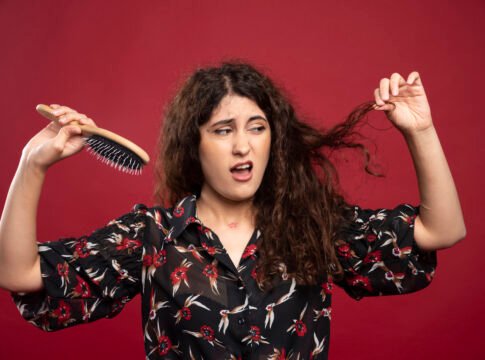
Hair fall is a natural part of the hair growth cycle, but noticing more strands than usual on your pillow, comb, or shower drain can be alarming. Many people experience periods of increased hair shedding without immediately understanding the cause. While occasional hair fall is normal, persistent or excessive shedding may reflect underlying imbalances in the body or lifestyle. Factors such as stress, nutrition, hormonal changes, and environmental exposure can all influence hair health. The good news is that most causes of increased hair fall are manageable when identified early. Understanding why your hair is falling more than usual can help you take timely steps to restore strength, volume, and overall scalp health.
Understanding the Topic
Hair grows in cycles consisting of growth (anagen), transition (catagen), and shedding (telogen) phases. At any given time, a portion of hair is naturally in the shedding phase.
However, when more hair than usual enters the shedding phase simultaneously, it leads to noticeable hair loss. This condition is often temporary and can be triggered by physical or emotional stress, nutritional deficiencies, or hormonal fluctuations.
Recognizing whether your hair fall is temporary or ongoing is essential for determining the right approach to treatment.
How the Body/System Works
Hair follicles are responsible for producing hair strands and are influenced by blood supply, hormones, and nutrient availability.
Healthy circulation ensures that follicles receive oxygen and essential nutrients. Hormones regulate the growth cycle, while proteins like keratin provide structural strength.
When the body experiences stress, illness, or nutritional imbalance, it may shift more hair follicles into the shedding phase as a protective response. This is why hair fall often increases after stressful events or health changes.
Main Causes / Factors
Stress
Physical or emotional stress can trigger a condition called telogen effluvium, leading to increased shedding.
Nutritional Deficiencies
Low levels of iron, protein, or vitamins can weaken hair and promote hair fall.
Hormonal Changes
Changes related to pregnancy, menopause, or thyroid issues can affect hair growth.
Poor Hair Care Practices
Excessive heat styling, harsh chemicals, or tight hairstyles can damage hair.
Illness or Infection
Recent illness or fever can disrupt the hair growth cycle.
Medications
Certain medications may have hair loss as a side effect.
Medical Conditions Linked
Hair loss may be associated with:
- Thyroid disorders
- Anemia
- Polycystic ovary syndrome (PCOS)
- Autoimmune conditions such as alopecia areata
These conditions affect hormone levels, nutrient absorption, or immune response.
Lifestyle and Behavioral Factors
Daily habits that contribute include:
- Skipping meals or poor diet
- Lack of sleep
- Smoking
- High stress levels
- Infrequent scalp care
Improving these habits can support healthier hair growth.
Age or Risk Factors
Certain individuals are more prone to hair fall:
- Women undergoing hormonal changes
- Older adults with slower hair growth
- Individuals with genetic predisposition
- People exposed to high stress
Understanding these factors helps in early prevention.
Other Contributing Factors
Additional contributors include:
- Environmental pollution
- Hard water exposure
- Frequent hair treatments
- Seasonal changes
These factors can weaken hair over time.
Symptoms to Watch For
Signs of excessive hair fall include:
- Increased hair shedding during brushing or washing
- Thinning of hair volume
- Visible scalp in certain areas
- Weak or brittle hair strands
- Slower hair growth
Monitoring these signs helps in assessing severity.
When to Seek Medical Help
Consult a healthcare professional if:
- Hair fall persists for several months
- There are patches of hair loss
- Hair loss is accompanied by fatigue or other symptoms
- There is a sudden and severe increase in shedding
- Over-the-counter treatments show no improvement
Professional evaluation can help identify underlying causes.
Prevention Tips
To reduce hair fall:
- Maintain a balanced diet rich in protein and iron
- Manage stress through relaxation techniques
- Avoid excessive heat styling
- Use gentle hair care products
- Stay hydrated
- Get adequate sleep
These steps promote stronger and healthier hair.
Treatment Overview
Treatment depends on the underlying cause. Common approaches include:
- Nutritional supplementation
- Improving diet and lifestyle
- Medical treatment for hormonal or health conditions
- Gentle hair care practices
- Stress management
Consistency is key for noticeable improvement.
Conclusion
Experiencing increased hair fall can be concerning, but it is often a temporary response to internal or external changes. By understanding the hair growth cycle and identifying potential triggers, you can take effective steps to manage and reduce shedding. A balanced lifestyle, proper nutrition, and mindful hair care play a crucial role in maintaining healthy hair. If hair loss persists or worsens, seeking professional advice ensures that any underlying issues are addressed promptly. With the right approach, it is possible to restore hair strength, improve scalp health, and regain confidence in your appearance.
