
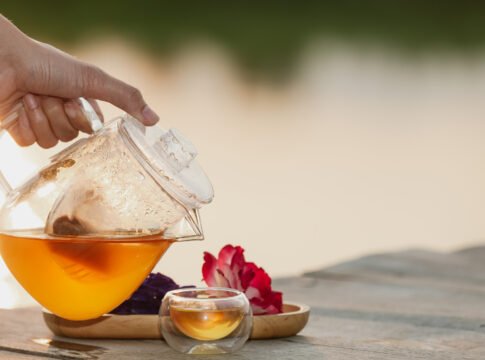
Intriguing Beginnings
In an age where stress seems to be the unwelcome guest in our daily lives, the search for natural remedies is more pertinent than ever. Amongst the plethora of solutions, herbal teas emerge as a time-honored respite. With a symphony of flavors and ancient wisdom, these brews offer not just warmth, but a potential balm for frazzled nerves. But what exactly makes herbal teas a beacon of hope for stress relief? Let’s steep ourselves into the science and soothing promise of these aromatic infusions.
The Science of Calm
Herbal teas are not mere beverages; they are complex concoctions of phytochemicals that interact with our body’s intricate systems. The core mechanism through which herbal teas alleviate stress lies in their rich composition of antioxidants and polyphenols. Compounds like L-theanine found in green tea are renowned for their calming effects, promoting alpha brain waves associated with relaxation. Similarly, chamomile tea is packed with apigenin, a flavonoid that binds to benzodiazepine receptors in the brain, inducing a sedative effect. The science doesn’t stop there; peppermint tea’s menthol content serves as a muscle relaxant, while valerian root tea is noted for its natural tranquilizing properties, often helping with insomnia and stress-related symptoms.
Sipping Your Way to Serenity
Integrating herbal teas into your daily routine is a practical step toward embracing tranquility. However, to maximize the benefits, a mindful approach is necessary. Here’s how you can seamlessly introduce this ritual into your life:
- Choose the Right Tea: Select teas that match your taste and stress-relief goals, such as chamomile for relaxation or peppermint for muscle tension.
- Set the Mood: Create a calming environment when brewing your tea. Play soft music and consider lighting a candle to enhance the experience.
- Mindful Sipping: Engage in the act of drinking tea mindfully. Focus on the aroma, taste, and warmth as you sip slowly.
- Regular Routine: Make tea time a regular part of your day, ideally during moments of unwinding, such as after work or before bed.
Harmonizing Habits
The benefits of herbal teas are amplified when integrated with a holistic approach to stress management. Nutrition and lifestyle choices play pivotal roles. A diet rich in whole foods, including fruits, vegetables, nuts, and seeds, complements the anti-inflammatory and antioxidant properties of herbal teas. Furthermore, regular physical activity, even in the form of gentle yoga or a brisk walk, can enhance the stress-reducing effects of these teas. Sleep hygiene, mindfulness practices, and adequate hydration also synergize with the calming properties of herbal teas, creating a comprehensive lifestyle approach to stress relief.
Wellness in the Long Run
Incorporating herbal teas into your routine offers more than immediate comfort. Over time, these brews can contribute to long-term wellness by supporting heart health, enhancing digestion, and even boosting immunity. The consistent intake of antioxidants from these teas may reduce the risk of chronic conditions linked to stress, such as hypertension and cardiovascular disease. Moreover, the ritual of tea drinking itself cultivates mindfulness and presence, which are crucial elements in maintaining mental health and emotional balance in the long run.
Aromatic Conclusions
As we steep ourselves into the tradition of herbal teas, we discover more than just a beverage. It is a gateway to a calmer, more centered existence. By understanding the science, practicing mindful consumption, and incorporating these teas within a balanced lifestyle, we unlock a natural pathway to stress relief. Whether you are seeking solace from a hectic day or weaving a tapestry of long-term wellness, herbal teas offer a gentle, flavorful solution.
Sources
National Center for Biotechnology Information – Tea and Its Health Benefits
Healthline – 10 Healthy Herbal Teas You Should Try
National Center for Biotechnology Information – Chamomile: A Herbal Medicine of the Past with Bright Future
Verywell Mind – Herbal Teas for Anxiety
