
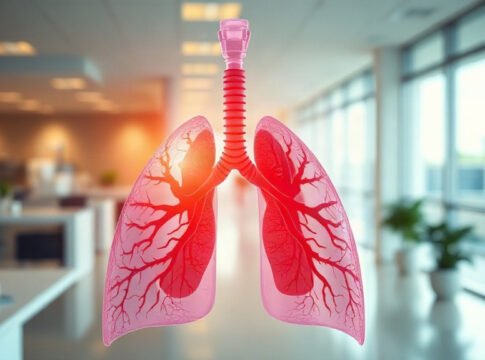
How cellular inflammation accelerates aging—and what you can do about it now
KEY STATISTICS
- Oxidative stress triggers a cascade of cellular damage that mimics accelerated aging in lung tissue.
- Nitrosative stress—a related process involving nitrogen compounds—amplifies inflammation when combined with oxidative damage.
- Adults over 35 show measurably higher baseline oxidative markers, making prevention increasingly urgent in midlife.
You’ve heard about free radicals and antioxidants, but the real story is far more personal. At 35 to 45, your cells are under constant pressure from oxidative and nitrosative stress—invisible chemical processes that damage your lungs, age your tissues faster, and quietly fuel inflammation throughout your body. The good news: understanding what’s happening inside, and taking targeted action now, can slow or even reverse the damage before it becomes irreversible.
The Dual Damage of Oxidative and Nitrosative Stress
Your cells produce energy through metabolism, and that process generates unstable molecules called free radicals. Oxidative stress happens when free radicals outnumber your body’s natural defenses. Nitrosative stress is a related—and often overlooked—process involving nitrogen-based compounds that amplify inflammation when they accumulate.
Together, these two forces damage the protective lining of your lungs and trigger a self-perpetuating cycle of cellular injury.
- Free radicals attack cell membranes and DNA, weakening lung tissue integrity and repair capacity.
- Nitrosative compounds interact with oxidative stress, creating a ‘two-hit’ inflammatory effect that’s harder to reverse.
- Your lungs are especially vulnerable because they’re directly exposed to air pollution, smoke, and environmental oxidizers.
- Chronic oxidative stress prevents your body’s natural antioxidant defenses (glutathione, superoxide dismutase) from working effectively.
Why Midlife is the Tipping Point
Your 40s are when the balance tips. At this age, your body’s antioxidant production begins to decline while oxidative stress typically increases—a physiological shift that makes midlife the critical window for intervention. Environmental exposures, accumulated lifestyle habits, and earlier subclinical damage all converge, making your lung tissue increasingly vulnerable.
- Cellular antioxidant enzymes decline by 10–15% per decade after age 35, weakening defense mechanisms.
- Cumulative exposure to air pollution, secondhand smoke, or occupational hazards reaches a threshold where damage accelerates.
- Metabolic inflammation naturally increases with age, raising baseline oxidative and nitrosative load.
- Recovery from acute oxidative stress slows significantly in the 40s, prolonging tissue damage.
Warning Signs to Watch For
- Persistent dry cough or throat clearing, especially worse in mornings or after air quality alerts.
- Unusual shortness of breath with normal activity—climbing stairs, light exercise, or walking uphill.
- Chronic fatigue that doesn’t improve with sleep, signaling systemic oxidative stress affecting energy production.
- Recurrent respiratory infections (more than 3–4 per year), indicating weakened lung defense.
- Chest tightness or mild discomfort unrelated to cardiac issues, possibly reflecting lung tissue irritation.
- Brain fog or difficulty concentrating—oxidative stress in the brain mirrors lung damage.
- Joint or muscle aches that worsen with air pollution exposure or poor air quality days.
What Diet, Exercise, and Sleep Actually Help
The science is clear: diet, exercise, and sleep directly regulate your oxidative burden. Specific nutrients neutralize free radicals before they damage lung tissue, while physical activity strengthens your body’s natural antioxidant defense system. Sleep deprivation amplifies both oxidative and nitrosative stress, making recovery impossible.
The best intervention combines all three.
- Polyphenol-rich foods (berries, dark leafy greens, olive oil, green tea) directly neutralize free radicals and reduce nitrosative markers.
- Moderate aerobic exercise (30 min, 5 days/week) upregulates your natural antioxidant enzymes—superoxide dismutase and catalase—more effectively than supplements alone.
- Consistent sleep (7–9 hours nightly) allows your lungs and immune system to repair oxidative damage and rebalance inflammatory markers.
- Omega-3 rich foods (fatty fish, flaxseed, walnuts) reduce inflammatory cytokines that amplify both oxidative and nitrosative stress.
Your Action Plan Checklist
- Start with a 7-day food diary and identify oxidative foods (processed oils, refined carbs, fried foods) to eliminate or reduce.
- Add one polyphenol-rich food daily: dark berries, spinach, broccoli, or 2–3 cups green tea.
- Commit to 30 minutes of steady-state aerobic activity (brisk walking, cycling, swimming) at least 4 days this week.
- Establish a consistent sleep schedule: same bedtime and wake time every day, including weekends—prioritize 7+ hours.
- Schedule a baseline check-in with your doctor; consider spirometry or oxidative stress markers if you have respiratory symptoms.
- Reduce exposure to environmental triggers: check air quality daily, use HEPA filtration at home if in a polluted area.
- Evaluate stress levels and add one mindfulness or breathing practice daily—chronic stress amplifies oxidative load.
Sleep: The Overlooked Oxidative Reset Button
Sleep is often the forgotten pillar of oxidative stress management. During deep sleep, your body activates antioxidant repair pathways and clears accumulated free radicals from tissues. Poor sleep doesn’t just leave you tired—it traps you in a cycle where oxidative stress worsens, inflammation rises, and recovery becomes nearly impossible.
- Sleep deprivation increases free radical production by 20–30% and impairs your body’s ability to clear them.
- Nitrosative stress accumulates faster during sleep loss, creating a vicious cycle of inflammation and tissue damage.
- Even one night of poor sleep reduces antioxidant enzyme activity the following day, setting back progress.
- Consistent sleep hygiene (cool, dark room; no screens 1 hour before bed) directly lowers oxidative markers and improves lung repair.
Bottom Line
Oxidative and nitrosative stress are silent engines of aging and inflammation, but they’re not inevitable. At 35 to 45, you’re at a critical inflection point where prevention and early intervention can dramatically reshape your health trajectory. By combining targeted nutrition, consistent exercise, prioritized sleep, and stress management, you can actively reduce oxidative burden, strengthen your lungs, and slow the aging process at the cellular level.
The time to act is now—before subclinical damage becomes irreversible.
HealthyWellbeing — always consult a qualified healthcare provider before making changes to your health routine.
Sources
- Targeting Oxidative and Nitrosative Stress: Mechanistic Insights and Therapeutic Strategies for Radiation-Induced Lung Injury — Journal of Inflammation Research
- General guidance on oxidative stress and lung health — NIH National Center for Biotechnology Information
