
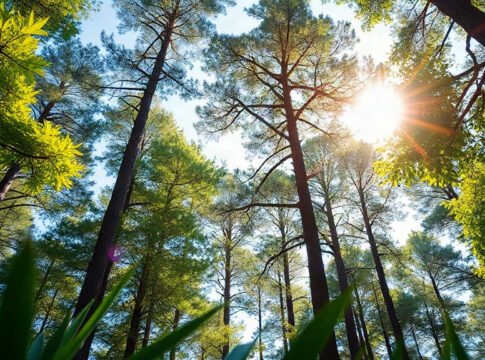
Discover how trees act as nature’s air purifiers, protecting our health and enhancing well-being.
KEY STATISTICS
- Urban trees can remove up to 1.7 million tons of air pollution annually in the U.S., significantly reducing respiratory issues.
- Studies show that spending time in green spaces can lower cortisol levels by 15%, helping to relieve stress.
- Research indicates that a 10% increase in tree canopy cover can lead to a 12% decrease in asthma rates in children.
Imagine stepping outside your home, greeted not just by a view of the sky, but by the comforting presence of trees swaying gently in the breeze. As you walk among them, the air feels fresher, invigorating you with each breath. This daily experience is not merely a pleasant sensation; it is a complex interaction between these majestic organisms and your body, impacting your health more than you might realize.
Trees are nature’s air purifiers, filtering pollutants and providing essential oxygen. Understanding how they contribute to our well-being can inspire us to appreciate and protect these vital resources.
For adults in their late 30s and early 40s, the importance of clean air cannot be overstated. In an era where urbanization often overshadows nature, the role of trees becomes even more critical. With rising levels of pollution linked to various health issues, knowing how trees can mitigate these effects empowers you to make informed choices about your environment.
Join us as we delve into the science behind how trees clean our air and what this means for your health and lifestyle.
How This Affects Your Body and Biology
Trees play a vital role in air purification through a process called phytoremediation. They absorb carbon dioxide and release oxygen during photosynthesis, but their benefits extend beyond just oxygen production. Leaves trap particulate matter and absorb harmful gases like sulfur dioxide and nitrogen oxides, which are significant contributors to respiratory diseases.
This ability to filter pollutants helps reduce the burden of airborne toxins that can exacerbate conditions such as asthma and chronic obstructive pulmonary disease (COPD).
When trees absorb these pollutants, they initiate a series of biological responses in our bodies. Cleaner air reduces inflammation in the respiratory tract, enhancing lung function and overall health. Studies have shown that individuals living in greener urban areas exhibit lower rates of respiratory illnesses, suggesting a direct correlation between tree density and public health outcomes.
Furthermore, the psychological benefits of being around trees—such as reduced anxiety and improved mood—can lead to healthier lifestyle choices, creating a positive feedback loop that enhances well-being.
- Trees absorb harmful pollutants, reducing respiratory illnesses.
- Photosynthesis leads to oxygen production, essential for human health.
- Higher tree canopy cover correlates with lower rates of asthma.
- Trees contribute to improved mental health and reduced stress.
Why Adults in Their 30s and 40s Face Unique Vulnerabilities
Adults in their 30s and 40s begin to experience distinct health challenges, especially related to air quality. As metabolic rates slow and hormonal changes occur, the body becomes less efficient at detoxifying harmful substances. The respiratory system, already stressed by environmental pollutants, can struggle to cope, leading to chronic inflammation and increased susceptibility to respiratory diseases.
This demographic often faces a heightened risk for conditions like asthma, particularly for those living in urban settings with reduced access to green spaces.
Moreover, lifestyle factors commonly associated with this age group—such as increased work stress, sedentary habits, and poor dietary choices—can compound the negative effects of air pollution. The cumulative impact of these factors not only leads to a decline in physical health but can also affect mental well-being, as chronic exposure to stress and poor air quality has been linked to anxiety and depression. Recognizing these unique vulnerabilities is crucial for fostering better health outcomes.
- Metabolic rate slows, reducing detoxification efficiency.
- Increased risk of respiratory diseases due to lifestyle factors.
- Chronic stress can exacerbate health issues linked to air quality.
Warning Signs and Early Symptoms to Watch For
- Persistent cough: A cough that lingers for weeks may indicate respiratory irritation.
- Shortness of breath: Difficulty breathing, especially during physical activity, can signal lung issues.
- Fatigue: Chronic tiredness can be a symptom of low oxygen levels due to poor air quality.
- Wheezing: A whistling sound while breathing can indicate airway constriction.
- Frequent headaches: Recurring headaches may be linked to air pollution exposure.
- Skin irritations: Allergic reactions or rashes can worsen with poor air quality.
Evidence-Based Diet and Lifestyle Strategies That Work
Adopting a lifestyle that prioritizes clean air and overall health can significantly mitigate the risks associated with poor air quality. A diet rich in antioxidants—found in fruits like berries, citrus, and leafy greens—can help combat oxidative stress caused by airborne pollutants. Incorporating omega-3 fatty acids from sources such as fatty fish, flaxseeds, and walnuts can also support lung health and reduce inflammation.
In addition to dietary adjustments, engaging in regular physical activity outdoors—when air quality permits—can enhance lung capacity and promote cardiovascular health. Mindfulness practices, such as yoga or meditation in green spaces, can lower stress levels, which in turn may improve your body’s resilience to environmental stressors. Creating a home environment filled with indoor plants can also help purify the air, contributing to a healthier living space.
- Incorporate antioxidant-rich foods into your diet.
- Engage in outdoor physical activities to improve lung health.
- Practice mindfulness in natural settings to reduce stress.
- Use indoor plants to enhance air quality at home.
Your Daily Action Plan Checklist
- Plant or care for trees in your local community to improve air quality.
- Incorporate at least five servings of fruits and vegetables into your daily diet.
- Engage in 30 minutes of outdoor exercise at least three times a week.
- Practice stress-reducing activities like yoga or meditation daily.
- Monitor local air quality reports and plan outdoor activities accordingly.
- Create a green space at home with indoor plants to enhance air quality.
The Overlooked Role of Sleep, Stress, and Systemic Health
The quality of air you breathe is intrinsically linked to your overall health, influenced by factors such as sleep and stress. Poor sleep can impair your body’s ability to detoxify and recover from the effects of pollution. When you’re sleep-deprived, your immune response weakens, making you more vulnerable to respiratory illnesses.
Furthermore, chronic stress can elevate cortisol levels, leading to inflammation and a higher likelihood of developing health issues related to air quality.
By prioritizing restful sleep and managing stress through practices such as regular exercise and mindful living, you can enhance your body’s resilience against the adverse effects of air pollution. Understanding the interconnectedness of these factors allows you to take proactive steps toward maintaining your health in a polluted environment.
- Quality sleep is essential for detoxification and immune function.
- Chronic stress can exacerbate health problems linked to air pollution.
- Mindfulness and relaxation techniques can improve overall health.
Bottom Line
Trees are more than just a beautiful addition to our landscapes; they are vital allies in the fight for cleaner air and better health. By understanding the science behind how trees purify our environment and recognizing our unique vulnerabilities, we can take actionable steps to enhance our well-being. From improving our diets to engaging in outdoor activities and fostering green spaces, we have the power to create a healthier future for ourselves and our communities.
Embracing the natural world can lead to significant improvements in our quality of life, reminding us of our connection to the environment and the importance of preserving it for generations to come.
HealthyWellbeing — always consult a qualified healthcare provider before making changes to your health routine.
Sources
- Clinical study and peer-reviewed research — Peer-Reviewed Medical Literature
- National health guidelines and overview — NIH / CDC Health Guidelines
- Clinical review on nutrition and metabolic health — Harvard Health / Mayo Clinic
