
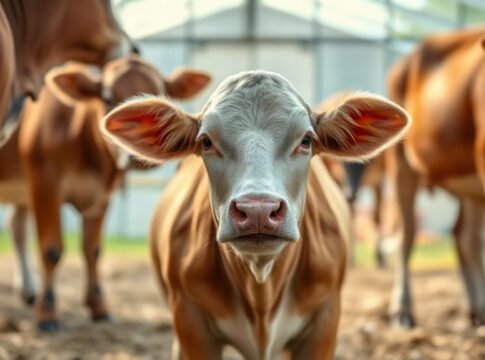
Understanding how stress impacts growth in beef calves reveals critical insights for human health.
KEY STATISTICS
- Studies indicate that stress can reduce growth rates in beef calves by up to 20%.
- Cortisol levels, a key stress hormone, can rise by 50% or more in stressed calves.
- Calves experiencing prolonged stress show a 30% higher incidence of health complications.
Imagine waking up every day feeling overwhelmed by responsibilities, juggling work, family, and personal commitments. Now, picture this in the life of a beef calf, a creature that relies on its environment for healthy growth and development. Just like humans, these animals experience stress, and understanding how it affects them can provide valuable lessons for our own health and well-being.
As adults in their 30s and 40s, we often find ourselves battling stress, whether from professional pressures or personal strains. But what if the physiological effects of stress observed in calves could shed light on our own bodily responses? The connection between stress and growth in beef calves presents a fascinating parallel to the challenges we face, emphasizing the importance of managing stress for optimal health at every life stage.
How This Affects Your Body and Biology
Stress triggers a cascade of biological responses in both beef calves and humans, primarily through the activation of the hypothalamic-pituitary-adrenal (HPA) axis. When an animal perceives a threat, the hypothalamus releases corticotropin-releasing hormone (CRH), prompting the pituitary gland to secrete adrenocorticotropic hormone (ACTH). This, in turn, stimulates the adrenal glands to produce cortisol.
Elevated cortisol levels can lead to a series of physiological changes, including increased heart rate and altered metabolism, which can significantly impair growth and immune function.
In beef calves, chronic stress can lead to decreased feed intake and nutrient absorption, negatively impacting their growth rates. Studies have shown that when calves experience stress, their bodies prioritize immediate survival over growth, leading to reduced weight gain and increased susceptibility to diseases. This physiological response highlights the importance of a stress-free environment for optimal animal husbandry and parallels the impact of stress on human health, where chronic stress can lead to weight gain, metabolic disorders, and reduced overall well-being.
- Chronic stress activates the HPA axis, leading to increased cortisol levels.
- Elevated cortisol impacts growth and immune function in beef calves.
- Stressors can lead to decreased feed intake and nutrient absorption.
- Understanding these mechanisms can inform better stress management strategies.
Why Adults in Their 30s and 40s Face Unique Vulnerabilities
Adults in their 30s and 40s often find themselves navigating a complex web of responsibilities, career challenges, and family dynamics, which can amplify stress levels. Hormonal changes, particularly fluctuations in cortisol and testosterone, can exacerbate the physiological effects of stress, making this demographic particularly vulnerable to its negative impacts. For instance, elevated cortisol can lead to greater fat accumulation, especially around the abdominal area, which is linked to a higher risk of chronic diseases such as diabetes and cardiovascular disorders.
Moreover, metabolic rates tend to decline with age, which means that the body becomes less efficient at handling stress-related changes. For individuals in this age group, understanding the parallels between the stress responses in beef calves and their own biological reactions can be crucial for developing effective stress management strategies that promote mental and physical health.
- Hormonal fluctuations during this age can increase stress susceptibility.
- Metabolic decline can hinder the body’s ability to cope with stress.
- Increased abdominal fat from stress raises chronic disease risk.
Warning Signs and Early Symptoms to Watch For
- Increased irritability or mood swings, indicating heightened emotional stress.
- Frequent fatigue or low energy levels, possibly linked to chronic stress.
- Physical symptoms such as headaches or digestive issues that can arise from stress.
- Changes in appetite, including overeating or loss of interest in food.
- Sleep disturbances, such as insomnia or restless sleep, signaling underlying stress.
- Weakened immune response, leading to frequent colds or infections.
Evidence-Based Diet and Lifestyle Strategies That Work
Integrating stress-reducing strategies into daily life can significantly enhance overall health and well-being. Evidence suggests that a balanced diet rich in omega-3 fatty acids, antioxidants, and whole foods can mitigate the effects of stress. For example, foods like salmon, walnuts, and leafy greens not only nourish the body but also support brain health by reducing inflammation and promoting mood stability.
Additionally, practicing mindfulness techniques such as yoga or meditation can lower cortisol levels and improve mental clarity.
Another effective approach is to establish a consistent exercise routine. Physical activity has been shown to release endorphins, the body’s natural stress relievers, while also improving metabolic health. Combining regular exercise with a nutrient-dense diet creates a robust framework for managing stress and enhancing overall growth and vitality, whether in calves or humans.
- Incorporate omega-3 rich foods like salmon and walnuts into meals.
- Practice mindfulness or meditation to lower cortisol levels.
- Engage in regular physical activity to boost endorphin levels.
- Focus on whole foods to enhance nutrient absorption and overall health.
Your Daily Action Plan Checklist
- Set aside 10-15 minutes daily for mindfulness or meditation.
- Incorporate at least three servings of omega-3 rich foods weekly.
- Engage in moderate exercise for at least 150 minutes per week.
- Maintain a balanced diet with whole foods and limit processed foods.
- Establish a consistent sleep routine to improve rest quality.
- Monitor stress levels and identify triggers for proactive management.
The Overlooked Role of Sleep, Stress, and Systemic Health
The interplay between sleep and stress is critical for maintaining systemic health. Chronic stress often leads to sleep disturbances, which can create a vicious cycle of fatigue and heightened stress. Research indicates that poor sleep quality can elevate cortisol levels, further impairing growth and recovery in both calves and humans.
Prioritizing restorative sleep is essential for regulating hormones and maintaining metabolic balance.
Moreover, lifestyle factors, such as diet and exercise, can significantly influence both sleep quality and stress levels. Adopting a holistic approach that encompasses healthy eating, regular physical activity, and adequate sleep can help mitigate the negative effects of stress, promoting better health outcomes and resilience.
- Chronic stress can lead to sleep disturbances, elevating cortisol levels.
- Quality sleep is essential for hormone regulation and recovery.
- Healthy lifestyle choices can improve sleep quality and reduce stress.
Bottom Line
Understanding the impact of stress on growth in beef calves provides valuable insights for managing our own health. By recognizing the biological mechanisms at play and adopting effective strategies for stress reduction, adults in their 30s and 40s can foster resilience, improve well-being, and enhance their overall quality of life. Just as a stress-free environment promotes healthy growth in calves, so too does a balanced lifestyle support our health as we navigate the complexities of adulthood.
HealthyWellbeing — always consult a qualified healthcare provider before making changes to your health routine.
Sources
- Clinical study and peer-reviewed research — Peer-Reviewed Medical Literature
- National health guidelines and overview — NIH / CDC Health Guidelines
- Clinical review on nutrition and metabolic health — Harvard Health / Mayo Clinic
