
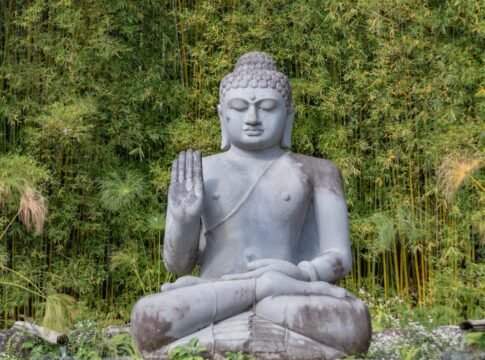
Unraveling the Chaos
In today’s fast-paced world, we find ourselves constantly bombarded by stimuli, from the incessant pings of our devices to the ceaseless demands of our daily responsibilities. This relentless noise can leave us yearning for peace, which becomes an elusive sanctuary amidst chaos. But what if the key to tranquility lies not in escaping the noise, but in silencing it from within? This article delves into how we can cultivate inner peace, employing science-backed strategies to navigate life’s cacophony with a serene heart and mind.
The Science of Serenity
At the heart of maintaining calm is our brain’s ability to regulate stress and emotions. The prefrontal cortex, responsible for decision-making and moderating social behavior, plays a pivotal role in this process. Equally important is the amygdala, the brain’s emotional epicenter that responds to stress and stimuli. In moments of chaos, the amygdala can become overactive, overwhelming the prefrontal cortex, and leading to anxiety and restlessness.
Research suggests that practices like meditation and mindfulness can recalibrate this balance. These practices help downregulate the amygdala’s activity and enhance the connectivity of the prefrontal cortex, fostering a state of calm and increased emotional resilience.
Practical Peace Practices
To cultivate inner peace, one must actively engage in strategies that foster tranquility. Here are some practical steps to integrate into your routine:
- Mindful Meditation: Dedicate 10-15 minutes a day to mindfulness meditation to enhance emotional regulation and stress reduction.
- Breathing Techniques: Practice deep breathing exercises, such as the 4-7-8 technique, to calm the nervous system and reduce anxiety.
- Digital Detox: Allocate specific times to unplug from digital devices, minimizing mental clutter and enhancing focus.
- Nature Immersion: Spend time in nature to lower cortisol levels and increase feelings of well-being.
- Journaling: Write down thoughts to process emotions and gain clarity, facilitating mental peace.
Food for Thought
While strategies like meditation and mindfulness are crucial, dietary choices also play a significant role in promoting inner peace. Nutrients such as omega-3 fatty acids, found in sources like fish and flaxseeds, are renowned for their anti-inflammatory properties and positive effects on brain health. Antioxidant-rich foods, including berries and dark chocolate, combat oxidative stress, which is linked to anxiety and mood disorders.
Moreover, maintaining a balanced diet with adequate hydration supports cognitive function and emotional stability, serving as a bedrock for serenity.
The Ripple Effect
Embracing these strategies not only cultivates immediate peace but also empowers long-term wellness. Consistent practice of stress-reduction techniques can lead to decreased risk of chronic conditions such as hypertension and depression. Furthermore, fostering inner peace enhances overall life satisfaction and productivity, creating a ripple effect that positively influences personal and professional relationships.
Long-term wellness is not a destination but a journey, where small, consistent actions accumulate to create a life of balance and fulfillment.
Conclusion: A Peaceful Path
In a world that never seems to pause, the pursuit of inner peace becomes a beacon guiding us through the noise. By understanding the scientific underpinnings of stress and integrating practical strategies, we can cultivate a profound sense of calm. As we harmonize our lifestyle choices with our wellness goals, we embark on a transformative journey towards enduring tranquility. This path, while personal and unique, holds the promise of a life where peace is not just a fleeting moment but a sustained state of being.
Sources
Meditation’s Impact on the Brain
Mindfulness and Emotional Regulation
Diet and Mental Health
Breathing Techniques for Stress
