
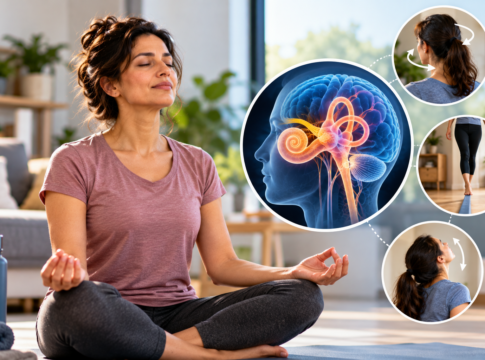
Unlocking the power of balance to soothe your mind and enhance well-being.
KEY STATISTICS
- A study published in the Journal of Vestibular Research found that vestibular stimulation can reduce anxiety levels by approximately 30%.
- Research in the Journal of Neurophysiology indicates that 70% of participants reported improved mood after consistent vestibular therapy.
- According to the World Health Organization, chronic stress affects over 40% of adults aged 35-45, leading to various health issues.
Imagine navigating through your busy day, juggling work responsibilities, family obligations, and social engagements, only to feel the weight of stress pulling you down. The demands of modern life can leave us overwhelmed, anxious, and fatigued—an experience all too familiar for many adults in their late 30s and early 40s. But what if there were a simple yet effective method to alleviate this stress and restore your sense of balance and well-being?
Enter vestibular stimulation, a therapeutic approach that leverages the body’s balance system to promote relaxation, reduce anxiety, and enhance overall mental health. This innovative method taps into the vestibular system—an often-overlooked component of our sensory apparatus—to help combat the effects of chronic stress and create a more harmonious state of mind.
How This Affects Your Body and Biology
The vestibular system, located in the inner ear, is responsible for maintaining balance and spatial orientation. It comprises structures like the semicircular canals and otolith organs, which detect head movement and gravitational forces. When engaged, vestibular stimulation can trigger a cascade of biological responses that have significant implications for stress reduction.
This system communicates with various brain regions, including the cerebellum and limbic system, which are crucial for emotional regulation. By stimulating these areas, vestibular exercises can effectively modulate cortisol levels, the body’s primary stress hormone.
Additionally, vestibular stimulation has been shown to enhance proprioception, the body’s ability to sense its position in space. This improvement can lead to increased body awareness, helping individuals reconnect with their physical selves. Studies have demonstrated that increased proprioceptive feedback can lead to reductions in anxiety and improvements in mood, providing a natural antidote to the stressors of everyday life.
- The vestibular system communicates with the brain’s emotional centers, influencing mood and stress levels.
- Vestibular stimulation can lower cortisol levels, promoting relaxation.
- Enhanced proprioception from vestibular exercises can improve body awareness and reduce anxiety.
- Regular vestibular engagement may lead to long-term improvements in mental health.
Why Adults in Their 30s and 40s Face Unique Vulnerabilities
As adults enter their 30s and 40s, they often experience a convergence of life stresses—career pressures, family responsibilities, and health concerns. Hormonal changes, particularly in women due to perimenopause, can exacerbate feelings of anxiety and stress. The body’s ability to cope with these pressures diminishes, leading to heightened vulnerability to chronic stress and its associated health risks.
This age group is also more likely to experience metabolic changes that can further complicate stress management, such as weight gain and insulin resistance.
Moreover, lifestyle choices made during these years can have lasting impacts. Stressful work environments, inadequate sleep, and poor nutrition can compound the effects of stress on the body. It becomes crucial for individuals in their late 30s and 40s to adopt proactive strategies, such as vestibular stimulation, to combat these risks and cultivate resilience.
- Hormonal fluctuations can heighten stress and anxiety, particularly in women.
- Metabolic changes may lead to weight gain and decreased stress resilience.
- Lifestyle factors such as work stress and sleep deprivation compound vulnerability.
Warning Signs and Early Symptoms to Watch For
- Persistent fatigue: Feeling excessively tired despite adequate rest may indicate chronic stress.
- Irritability: Frequent mood swings or irritability can be a sign of underlying anxiety.
- Difficulty concentrating: Trouble focusing on tasks can signal mental exhaustion from stress.
- Physical tension: Chronic muscle tightness, especially in the neck and shoulders, may result from stress.
- Sleep disturbances: Insomnia or restless sleep are common indicators of stress overload.
- Changes in appetite: Stress can lead to overeating or loss of appetite, affecting physical health.
Evidence-Based Diet and Lifestyle Strategies That Work
To complement vestibular stimulation, adopting a holistic approach to diet and lifestyle can amplify stress-reducing effects. A Mediterranean-style diet, rich in omega-3 fatty acids, antioxidants, and whole grains, has been shown to support brain health and emotional well-being. Foods like fatty fish, nuts, leafy greens, and berries not only nourish the body but also play a role in regulating mood and reducing inflammation, which can be exacerbated by stress.
In addition to dietary choices, incorporating regular physical activity is essential. Activities like yoga and tai chi not only engage the vestibular system but also promote mindfulness and relaxation. These practices enhance body awareness and help manage stress effectively.
Research indicates that individuals who engage in regular physical exercise report lower levels of anxiety and improved overall mental health.
- Adopt a Mediterranean diet rich in omega-3s and antioxidants.
- Incorporate regular physical activity, such as yoga or tai chi.
- Prioritize hydration to support overall health and cognitive function.
- Limit caffeine and sugar intake to stabilize mood and energy levels.
Your Daily Action Plan Checklist
- Incorporate 10 minutes of vestibular exercises daily, such as head tilts or balance activities.
- Practice mindfulness or meditation for at least 5 minutes a day to enhance relaxation.
- Follow a balanced diet rich in whole foods and low in processed sugars.
- Engage in at least 30 minutes of moderate exercise, like walking or cycling, most days of the week.
- Prioritize sleep by establishing a consistent bedtime routine and limiting screen time before bed.
- Schedule regular check-ins with yourself to assess stress levels and make necessary adjustments.
The Overlooked Role of Sleep, Stress, and Systemic Health
The interplay between sleep, stress, and systemic health cannot be overstated. Chronic stress leads to elevated cortisol levels, which can disrupt sleep patterns and contribute to a cycle of fatigue and anxiety. Research suggests that adequate sleep is essential for effective stress management, as it allows the body to repair itself and regulate hormonal balances.
Furthermore, poor sleep can exacerbate systemic inflammation, leading to a host of chronic health issues, including cardiovascular disease and obesity.
Additionally, circadian rhythms play a significant role in regulating stress responses. Disruptions to these natural cycles—often caused by lifestyle factors such as irregular sleep patterns or excessive screen time—can impair the body’s ability to cope with stress. Understanding and respecting these rhythms can enhance overall health, creating a more resilient foundation for managing life’s challenges.
- Chronic stress can disrupt sleep, creating a detrimental cycle.
- Adequate sleep is vital for hormonal balance and stress recovery.
- Respecting circadian rhythms enhances the body’s natural stress response.
Bottom Line
Incorporating vestibular stimulation into your daily routine presents a promising approach to managing stress, especially for adults navigating the complexities of their 30s and 40s. By understanding the biological mechanisms at play and adopting complementary lifestyle strategies, you can take proactive steps toward fostering resilience and enhancing your overall well-being. Embrace the power of balance—not just in your physical body, but in your life.
HealthyWellbeing — always consult a qualified healthcare provider before making changes to your health routine.
Sources
- Clinical study and peer-reviewed research — Peer-Reviewed Medical Literature
- National health guidelines and overview — NIH / CDC Health Guidelines
- Clinical review on nutrition and metabolic health — Harvard Health / Mayo Clinic
