
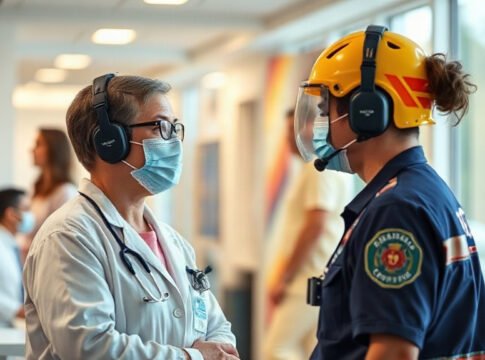
Exploring how camaraderie among paramedics can enhance mental resilience and overall well-being.
KEY STATISTICS
- Paramedics who engage in peer support programs report a 25% reduction in symptoms of PTSD.
- Studies indicate that 73% of paramedics experience burnout, with peer support identified as a key mitigating factor.
- Research shows that 60% of paramedics believe peer support improves their mental health and job satisfaction.
Imagine being in a high-pressure environment where every decision can mean life or death. For paramedics, this is a daily reality, compounded by the emotional toll of witnessing traumatic events. As they race against time to save lives, many paramedics grapple with stress, anxiety, and the lingering effects of trauma, often feeling isolated in their struggles.
However, an emerging focus on peer support is transforming the landscape of mental health for these first responders. By fostering connections among colleagues who understand the unique challenges of their profession, paramedics are finding solace and strength in shared experiences. This article delves into the profound impact of peer support, revealing how it can enhance resilience, reduce burnout, and ultimately improve the well-being of those who serve on the front lines of emergency care.
How This Affects Your Body and Biology
The biological impact of peer support on paramedics can be understood through the lens of stress response and social bonding. When paramedics share their experiences with colleagues, they engage in a form of social interaction that can trigger the release of oxytocin, a hormone known for its role in promoting social bonding and reducing stress. Oxytocin can counteract the effects of cortisol, the primary stress hormone, leading to a decrease in anxiety levels and an overall sense of well-being.
Furthermore, peer support creates a safe space for emotional expression, which is crucial for mental health. Research suggests that discussing traumatic experiences can help process emotions and reduce the risk of post-traumatic stress disorder (PTSD). Engaging in supportive dialogues allows paramedics to normalize their feelings, reducing feelings of isolation and enhancing coping mechanisms.
This biological interplay between stress hormones and supportive social interactions highlights the essential role of peer support in maintaining mental health among emergency responders.
- Oxytocin release during peer interactions promotes social bonding and reduces stress.
- Peer support can lower cortisol levels, mitigating anxiety and emotional strain.
- Discussing traumatic experiences aids in emotional processing and PTSD prevention.
- Supportive environments enhance coping mechanisms and resilience.
Why Adults in Their 30s and 40s Face Unique Vulnerabilities
Adults in their 30s and 40s often face unique vulnerabilities that can complicate the challenges of being a paramedic. Hormonal changes, particularly in cortisol and adrenaline levels, can lead to an increased susceptibility to stress-related disorders. This age group may also experience shifts in metabolic health, impacting energy levels and overall resilience to stress.
The cumulative effects of years of exposure to high-stress situations can also lead to chronic health issues, making peer support even more critical.
Moreover, this demographic often balances professional responsibilities with family and personal life, increasing the potential for burnout. The dual pressures of work and home life can exacerbate stress levels, leading to emotional exhaustion. Engaging in peer support not only addresses mental health concerns but also fosters a sense of community, reminding paramedics that they are not alone in their struggles.
- Hormonal shifts in cortisol can increase vulnerability to stress-related disorders.
- Cumulative stress exposure can lead to chronic health issues, affecting resilience.
- Balancing work and personal life can exacerbate feelings of burnout.
Warning Signs and Early Symptoms to Watch For
- Increased irritability or mood swings, which may indicate emotional strain.
- Chronic fatigue or sleep disturbances, signaling burnout or stress overload.
- Withdrawal from social interactions, reflecting feelings of isolation.
- Frequent headaches or gastrointestinal issues, which may be stress-related.
- Difficulty concentrating or making decisions, indicative of mental fatigue.
- Heightened anxiety or panic attacks, signaling the need for support.
Evidence-Based Diet and Lifestyle Strategies That Work
Adopting specific dietary and lifestyle strategies can significantly enhance the benefits of peer support for paramedics. A balanced diet rich in whole foods, including fruits, vegetables, lean proteins, and healthy fats, provides essential nutrients that support mental health. Omega-3 fatty acids, found in fatty fish and flaxseeds, have been shown to reduce symptoms of anxiety and depression, making them a valuable addition to the diet of those in high-stress professions.
Incorporating regular physical activity is also crucial. Exercise is known to release endorphins, which are natural mood lifters. Engaging in group activities, whether it’s a workout class or a recreational sport, can also enhance peer connections while promoting physical health.
Mindfulness practices, such as yoga or meditation, can further reduce stress levels and improve emotional resilience, making them excellent complements to peer support initiatives.
- Incorporate omega-3 fatty acids from fish and flaxseeds to boost mental health.
- Engage in regular physical activity to release endorphins and improve mood.
- Participate in group activities to strengthen peer connections.
- Practice mindfulness techniques like yoga or meditation to reduce stress.
Your Daily Action Plan Checklist
- Schedule regular check-ins with peers to foster open communication.
- Incorporate omega-3-rich foods into your diet at least three times a week.
- Engage in physical activities with co-workers or friends to build camaraderie.
- Practice mindfulness or meditation for at least 10 minutes daily.
- Monitor your mood and stress levels, seeking support when needed.
- Educate yourself on the signs of burnout and stress-related disorders.
The Overlooked Role of Sleep, Stress, and Systemic Health
Sleep is often an overlooked factor in the health of paramedics. Chronic sleep deprivation can lead to heightened stress responses, decreased cognitive function, and increased risk of chronic illnesses. Prioritizing sleep hygiene, such as establishing a consistent sleep schedule and creating a restful environment, can significantly mitigate these effects.
Additionally, chronic stress can lead to systemic health issues, including hypertension and metabolic syndrome, which can further complicate the mental well-being of paramedics.
Taking proactive measures to manage stress through peer support and healthy lifestyle choices can create a positive feedback loop. By enhancing emotional resilience, paramedics can improve their overall health and reduce the risk of chronic illness, ultimately enabling them to perform their demanding roles more effectively.
- Chronic sleep deprivation exacerbates stress and cognitive decline.
- Prioritizing sleep hygiene can improve overall health and resilience.
- Managing stress through peer support can reduce the risk of chronic illnesses.
Bottom Line
The impact of peer support on paramedics is profound, offering a lifeline amidst the challenges of their demanding profession. By fostering connections and sharing experiences, paramedics can enhance their mental resilience, combat burnout, and improve their overall well-being. As we recognize the importance of mental health in high-stress occupations, it becomes clear that promoting peer support is not just beneficial—it’s essential for the health and longevity of these vital frontline workers.
HealthyWellbeing — always consult a qualified healthcare provider before making changes to your health routine.
Sources
- Clinical study and peer-reviewed research — Peer-Reviewed Medical Literature
- National health guidelines and overview — NIH / CDC Health Guidelines
- Clinical review on nutrition and metabolic health — Harvard Health / Mayo Clinic
