
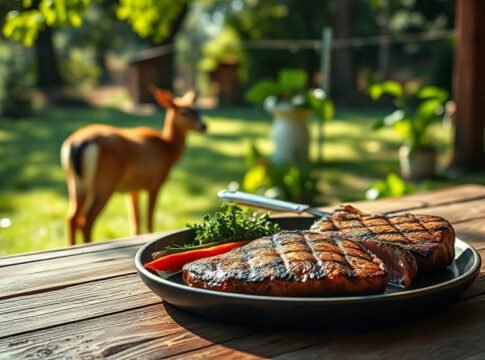
Discover how incorporating feral deer meat into your diet can enhance your health and well-being.
KEY STATISTICS
- Feral deer meat contains approximately 28 grams of protein per 100 grams, significantly higher than traditional beef, which averages around 26 grams.
- Research indicates that venison is lower in fat, with only 3 grams of saturated fat per serving compared to 8 grams in conventional beef cuts.
- A study found that 100 grams of venison provides 30% of the recommended daily intake of iron for adults, supporting increased energy levels and improved metabolic function.
As you navigate the complexities of healthy eating in your 30s and 40s, the quest for nutrient-dense food sources becomes ever more critical. You might find yourself weighing the options between conventional meats and more sustainable alternatives, leading you to consider the nutritional benefits of feral deer meat, an often-overlooked protein source that packs a punch in terms of health benefits.
Imagine a diet where your protein sources are leaner, richer in essential nutrients, and sourced sustainably. Feral deer meat not only fits this bill, but it also offers a unique flavor profile that can please the palate while delivering vital nutrients that support health and vitality during midlife. Let’s explore how incorporating this wild game can impact your health positively.
How This Affects Your Body and Biology
Feral deer meat, or venison, is renowned for its low fat and high protein content, making it an excellent choice for those seeking to maintain or build muscle while managing weight. Muscle tissue requires amino acids, the building blocks of protein, which are essential for repair and growth. The higher protein content found in venison compared to other meats supports muscle synthesis, particularly important as we age and experience natural muscle loss (sarcopenia).
Moreover, venison is rich in essential vitamins and minerals, such as B vitamins, iron, and zinc. These nutrients play crucial roles in energy metabolism, immune function, and overall cellular health. For instance, iron is pivotal in hemoglobin production, which transports oxygen throughout the body, ensuring that your organs function optimally.
The bioavailability of nutrients in venison enhances their absorption, making it a valuable addition to your diet as you strive for peak health in your 30s and 40s.
- Venison is nutrient-dense, containing high levels of protein, iron, and B vitamins essential for energy and metabolic health.
- Low in fat and calories, venison supports weight management and muscle maintenance, crucial in middle age.
- Rich in omega-3 fatty acids, wild venison can help reduce inflammation, which is linked to many chronic diseases.
- The unique amino acid profile in venison aids in muscle repair and growth, especially important as we age.
Why Adults in Their 30s and 40s Face Unique Vulnerabilities
Adults in their 30s and 40s often experience hormonal shifts that can affect metabolism and body composition. Changes in testosterone and estrogen levels can lead to increased fat accumulation, particularly around the abdomen. This demographic faces a heightened risk of metabolic syndrome, characterized by elevated blood pressure, high blood sugar, and abnormal cholesterol levels, all of which can be mitigated through dietary choices.
Additionally, the stressors of balancing career, family, and personal health can lead to chronic inflammation and nutrient deficiencies. The body becomes less efficient at processing food, emphasizing the need for nutrient-rich diets. Incorporating venison, with its superior nutrient profile, can combat these age-related vulnerabilities and support optimal health, making it an essential dietary consideration.
- Hormonal changes can lead to increased fat accumulation and higher risk of metabolic syndrome.
- Chronic stress may cause nutrient deficiencies, impacting overall health and energy levels.
- Increased risk of chronic diseases necessitates a focus on nutrient-dense food sources to support health.
Warning Signs and Early Symptoms to Watch For
- Fatigue or decreased energy levels may indicate iron deficiency or poor nutrient intake.
- Unexplained weight gain, particularly around the abdomen, might signal hormonal imbalances.
- Frequent cravings for unhealthy foods can reflect nutritional deficiencies or an imbalance in diet.
- Increased joint pain or inflammation could indicate a need for anti-inflammatory dietary changes.
- Mood swings or irritability may suggest nutritional imbalances affecting emotional well-being.
- Difficulty concentrating or brain fog may be tied to inadequate nutrient intake affecting cognitive function.
Evidence-Based Diet and Lifestyle Strategies That Work
To fully harness the benefits of feral deer meat, a holistic approach to diet and lifestyle is essential. Incorporating venison into meals can be complemented by pairing it with a variety of colorful vegetables, which provide antioxidants and fiber. Aim for a balanced plate that includes healthy fats, such as olive oil or avocados, to enhance nutrient absorption and support overall health.
Additionally, consider meal prepping to ensure that nutrient-rich meals are readily available, reducing the temptation for processed food alternatives.
Hydration plays a vital role in overall health as well. Drinking adequate water supports metabolic processes and helps transport nutrients effectively throughout the body. Maintain a consistent exercise regimen that includes both strength training and cardiovascular activities to optimize muscle health and metabolic function.
Together, these dietary and lifestyle strategies create a robust foundation for long-term health.
- Pair venison meals with colorful vegetables for added antioxidants and fiber.
- Include healthy fats to enhance nutrient absorption and overall health.
- Practice meal prepping to ensure easy access to nutrient-dense foods.
- Stay hydrated to support metabolic processes and nutrient transport.
Your Daily Action Plan Checklist
- Incorporate venison into your weekly meal plan, aiming for 1-2 servings per week.
- Pair venison with leafy greens and colorful vegetables for a balanced meal.
- Stay mindful of portion sizes to maintain a healthy caloric intake.
- Plan a hydration schedule to ensure adequate water intake throughout the day.
- Engage in regular physical activity, combining strength and cardio workouts.
- Monitor your health markers, such as blood pressure and cholesterol levels, regularly.
The Overlooked Role of Sleep, Stress, and Systemic Health
Sleep plays a crucial role in recovery and metabolic health, yet it is often neglected in busy adult lives. Inadequate sleep can lead to hormonal imbalances, increased appetite, and poor food choices, creating a vicious cycle of unhealthy eating habits. Prioritizing sleep hygiene—such as maintaining a consistent sleep schedule and creating a restful environment—can significantly improve health outcomes.
Chronic stress is another systemic factor that can undermine nutritional benefits. Elevated cortisol levels can lead to increased cravings for high-calorie, low-nutrient foods. Implementing stress-reduction techniques, such as mindfulness meditation or regular physical activity, can mitigate these effects, allowing you to better leverage the nutritional benefits of a healthy diet.
- Prioritize sleep hygiene to enhance recovery and metabolic health.
- Incorporate stress-reduction techniques to lower cortisol and improve food choices.
- Monitor emotional well-being to identify and address potential nutritional deficiencies.
Bottom Line
Incorporating feral deer meat into your diet can be a game-changer for adults in their 30s and 40s, providing essential nutrients that support energy, muscle maintenance, and overall health. By combining this nutrient-dense protein with a balanced lifestyle approach, you can foster a sustainable path to longevity and well-being. Embrace the delicious, nutritious potential of venison as a key player in your journey towards optimal health.
HealthyWellbeing — always consult a qualified healthcare provider before making changes to your health routine.
Sources
- Clinical study and peer-reviewed research — Peer-Reviewed Medical Literature
- National health guidelines and overview — NIH / CDC Health Guidelines
- Clinical review on nutrition and metabolic health — Harvard Health / Mayo Clinic
