
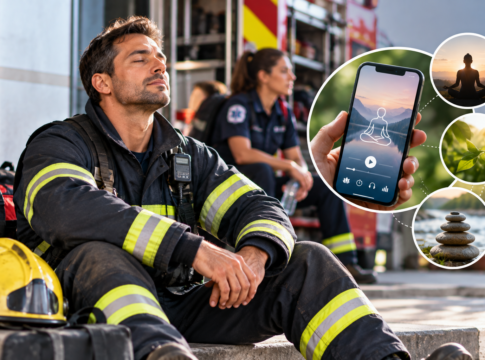
Harnessing technology for mental resilience in high-pressure professions.
KEY STATISTICS
- Studies show that mindfulness training can reduce symptoms of PTSD in first responders by up to 30%.
- A survey found that 60% of first responders report high levels of stress impacting their mental health.
- Research indicates that mindfulness meditation can lower cortisol levels, a key stress hormone, by 20%.
Every day, first responders face life-or-death situations that can leave lasting emotional and psychological scars. From firefighters rushing into flames to paramedics tending to the critically injured, the stakes are high, and the stress levels are even higher. Yet, despite the toll it takes, many in this profession feel they have no outlet to cope with the relentless pressure.
Enter mindfulness apps, a modern tool designed to provide quick, accessible mental health resources. These digital platforms offer guided meditations, breathing exercises, and stress-relief techniques tailored to address the unique challenges faced by first responders. As more individuals in these demanding roles turn to technology for support, the question arises: can these apps truly ease their stress and improve their well-being?
How This Affects Your Body and Biology
Mindfulness apps utilize techniques rooted in mindfulness meditation, which have been shown to induce physiological changes in the body. By promoting relaxation and focused attention, these practices can activate the parasympathetic nervous system, leading to a decrease in heart rate and blood pressure. This response counters the typical fight-or-flight reaction associated with stress, helping the body return to a state of equilibrium.
Biologically, mindfulness practices can influence the brain’s neuroplasticity. Regular meditation has been shown to increase the thickness of the prefrontal cortex, the area responsible for executive functions like decision-making and emotional regulation. Additionally, mindfulness can lead to increased connectivity within the default mode network (DMN), a brain network associated with self-referential thought and emotional regulation.
This means that first responders who engage with mindfulness apps may not only find immediate relief but could also enhance their long-term resilience against stress-related disorders.
- Mindfulness can lower heart rate and blood pressure, promoting relaxation.
- Regular practice increases the thickness of the prefrontal cortex, enhancing emotional regulation.
- Mindfulness enhances connectivity in the default mode network, improving self-awareness.
- Meditation can significantly reduce cortisol levels, alleviating stress.
Why Adults in Their 30s and 40s Face Unique Vulnerabilities
Adults in their late 30s and 40s often face unique vulnerabilities when it comes to stress and mental health. This age group typically juggles multiple responsibilities, such as advancing their careers, raising children, and caring for aging parents, leading to heightened stress levels. Hormonal changes, including fluctuations in cortisol and estrogen or testosterone levels, can exacerbate this vulnerability, making stress management even more critical.
Furthermore, as individuals in this demographic reach middle age, their bodies may become less resilient to stress. Chronic stress can lead to metabolic imbalances and an increased risk of mental health disorders. For first responders, whose professions are inherently high-stress, the combination of age-related vulnerabilities and occupational stress can create a perfect storm for mental health concerns.
- Increased responsibilities at work and home contribute to higher stress levels.
- Hormonal fluctuations can heighten vulnerability to stress-related disorders.
- Chronic stress can lead to metabolic imbalances, increasing health risks.
Warning Signs and Early Symptoms to Watch For
- Chronic fatigue: Persistent tiredness that doesn’t improve with rest may signal burnout.
- Irritability: Increased frustration or anger can indicate rising stress levels.
- Sleep disturbances: Difficulty falling or staying asleep can be a sign of underlying anxiety.
- Physical symptoms: Headaches, muscle tension, or gastrointestinal issues can manifest as stress-related responses.
- Social withdrawal: Avoiding friends or family may signal emotional overload.
- Decreased performance: Struggling to concentrate or complete tasks may be linked to rising stress.
Evidence-Based Diet and Lifestyle Strategies That Work
To complement mindfulness practices, adopting a balanced diet and healthy lifestyle can significantly improve stress resilience. Research suggests that omega-3 fatty acids, found abundantly in fatty fish, walnuts, and flaxseeds, can reduce symptoms of anxiety and depression. Including more fruits and vegetables in your diet not only provides essential vitamins and minerals but also helps stabilize blood sugar levels, which can be disrupted by stress.
In addition to dietary changes, incorporating regular physical activity into daily routines can further enhance mental well-being. Exercise releases endorphins, the body’s natural mood lifters, and can also improve sleep quality. Simple activities like walking, yoga, or even engaging in hobbies can serve as effective stress relievers, particularly when combined with mindfulness practices.
- Incorporate omega-3 rich foods like fatty fish and walnuts to support mental health.
- Increase intake of fruits and vegetables for essential nutrients and stable blood sugar.
- Engage in regular physical activity to boost endorphins and enhance mood.
- Practice mindfulness alongside healthy eating to maximize stress reduction.
Your Daily Action Plan Checklist
- Set aside 10 minutes daily for mindfulness meditation using an app.
- Incorporate omega-3 rich foods into meals at least three times a week.
- Engage in at least 30 minutes of physical activity most days of the week.
- Prioritize sleep by establishing a regular bedtime routine.
- Schedule regular check-ins with a mental health professional as needed.
- Practice deep breathing exercises whenever feeling overwhelmed.
The Overlooked Role of Sleep, Stress, and Systemic Health
Sleep plays a critical role in managing stress and overall systemic health. Chronic sleep deprivation can lead to elevated cortisol levels, exacerbating stress responses and increasing the risk of mental health disorders. Establishing a consistent sleep schedule and optimizing sleep hygiene can help mitigate these effects, allowing first responders to recover better from daily stressors.
Moreover, chronic stress can lead to a cascade of physiological responses, including inflammation and metabolic dysregulation. This can create a feedback loop, where stress leads to poor lifestyle choices, further impacting sleep and overall health. Understanding these interconnections can help first responders prioritize their well-being and leverage mindfulness practices effectively.
- Chronic sleep deprivation exacerbates stress and elevates cortisol levels.
- Quality sleep is essential for mental health recovery and resilience.
- Stress can lead to poor lifestyle choices, exacerbating health issues.
Bottom Line
In conclusion, mindfulness apps have emerged as valuable tools for first responders grappling with the demands of their profession. By fostering relaxation, enhancing emotional regulation, and promoting overall well-being, these digital resources offer hope in the battle against stress. When combined with healthy lifestyle choices, first responders can build resilience and navigate their challenging roles with greater ease and confidence.
HealthyWellbeing — always consult a qualified healthcare provider before making changes to your health routine.
Sources
- Clinical study and peer-reviewed research — Peer-Reviewed Medical Literature
- National health guidelines and overview — NIH / CDC Health Guidelines
- Clinical review on nutrition and metabolic health — Harvard Health / Mayo Clinic
