
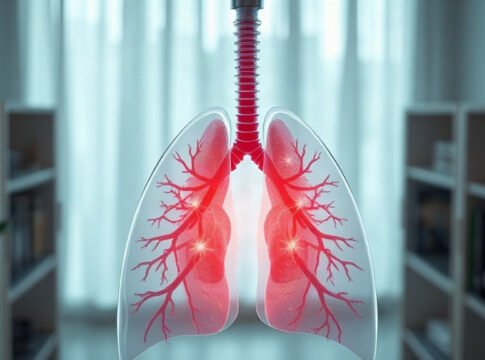
Understanding the hidden vulnerabilities of your lungs as you age.
KEY STATISTICS
- Approximately 50% of adults aged 40-64 have some degree of lung function impairment, according to the Global Initiative for Chronic Obstructive Lung Disease.
- Lung diseases, including asthma and COPD, affect nearly 30 million adults in the U.S., making it a significant health concern.
- A recent study found that air pollution exposure can increase the risk of lung disease by 15% in adults aged 30-45.
As you navigate the complexities of life in your late 30s and early 40s, you may notice subtle changes in your body, particularly in your lungs. Perhaps you find yourself easily winded after climbing a flight of stairs or experiencing a persistent cough that lingers longer than expected. These seemingly minor inconveniences could be early indicators of underlying lung disease, a reality that affects millions and often goes unnoticed until it escalates into a more severe condition.
How This Affects Your Body and Biology
Lung diseases such as Chronic Obstructive Pulmonary Disease (COPD) and asthma stem from a combination of genetic predisposition and environmental factors. In COPD, the airway and alveoli experience structural changes due to chronic inflammation, leading to airflow obstruction. This condition is characterized by the destruction of alveoli, reducing gas exchange efficiency and causing significant shortness of breath.
The underlying mechanisms involve inflammatory mediators like cytokines and proteases that damage lung tissue, leading to progressive respiratory failure.
- Chronic inflammation in the lungs leads to structural damage over time.
- The alveoli’s ability to facilitate gas exchange diminishes, impacting oxygen delivery.
- Genetic factors can predispose individuals to lung diseases, amplifying environmental effects.
- Air pollutants and allergens can trigger exacerbations, worsening lung function.
Why Adults in Their 30s and 40s Face Unique Vulnerabilities
Adults in their late 30s and 40s experience unique physiological changes that can increase their susceptibility to lung diseases. Hormonal shifts, including decreased estrogen and testosterone levels, can lead to increased inflammation and altered immune responses. This age group also begins to experience a natural decline in lung function, which can be exacerbated by lifestyle choices such as smoking, sedentary behavior, and exposure to environmental toxins.
- Declining lung function begins in the late 30s, increasing vulnerability to respiratory issues.
- Hormonal changes can affect immune responses, making inflammation more pronounced.
- Lifestyle factors, including smoking and pollution exposure, compound age-related risks.
Warning Signs and Early Symptoms to Watch For
- Persistent cough: A cough that lasts more than three weeks can indicate underlying lung issues.
- Shortness of breath: Difficulty breathing during normal activities may signal reduced lung capacity.
- Wheezing: A whistling sound during breathing often suggests airway narrowing.
- Chest tightness: Discomfort or tightness in the chest can indicate respiratory distress.
- Increased mucus production: Excessive sputum may be a sign of lung infection or chronic bronchitis.
- Fatigue: Unexplained tiredness can occur due to reduced oxygen levels in the blood.
Evidence-Based Diet and Lifestyle Strategies That Work
Adopting a lung-friendly lifestyle can significantly decrease your risk of developing chronic lung diseases. Incorporating a diet rich in antioxidants, such as fruits and vegetables, can combat oxidative stress caused by environmental toxins. Nutrients like omega-3 fatty acids found in fish and walnuts can enhance lung health by reducing inflammation.
Regular physical activity strengthens respiratory muscles and improves overall lung function, while maintaining a healthy weight reduces the burden on your lungs.
- Incorporate a variety of colorful fruits and vegetables to enhance antioxidant intake.
- Include omega-3 fatty acids in your diet to reduce lung inflammation.
- Engage in regular aerobic exercise to improve lung capacity and overall health.
- Stay hydrated to keep mucus thin and improve airway clearance.
Your Daily Action Plan Checklist
- Schedule regular check-ups with a healthcare provider to monitor lung health.
- Engage in at least 150 minutes of moderate aerobic activity each week.
- Incorporate more fruits and vegetables into each meal.
- Limit exposure to air pollutants and allergens by using air purifiers and avoiding smoking.
- Practice deep breathing exercises to improve lung function.
- Stay informed about local air quality and modify outdoor activities accordingly.
The Overlooked Role of Sleep, Stress, and Systemic Health
Quality sleep and stress management play crucial roles in maintaining lung health. Chronic stress can lead to elevated cortisol levels, which have been shown to impair immune responses and exacerbate inflammatory conditions in the lungs. Additionally, insufficient sleep can lead to impaired lung function, as the body requires restorative sleep to repair and rejuvenate tissues, including those in the respiratory system.
Prioritizing sleep hygiene and stress reduction techniques, such as mindfulness and yoga, can significantly improve overall lung health.
- Chronic stress can lead to increased inflammation and reduced lung function.
- Quality sleep is essential for cellular repair and optimal lung performance.
- Mindfulness practices can mitigate stress and enhance respiratory efficiency.
Bottom Line
Understanding the vulnerabilities your lungs face as you age is crucial for maintaining respiratory health. By recognizing warning signs, adopting a lung-friendly diet and lifestyle, and managing stress effectively, you can take proactive steps towards not only enhancing your lung function but also improving your overall well-being. Embrace these changes, and you’ll be investing in a healthier, more vibrant future.
HealthyWellbeing — always consult a qualified healthcare provider before making changes to your health routine.
Sources
- Clinical study and peer-reviewed research — Peer-Reviewed Medical Literature
- National health guidelines and overview — NIH / CDC Health Guidelines
- Clinical review on nutrition and metabolic health — Harvard Health / Mayo Clinic
