
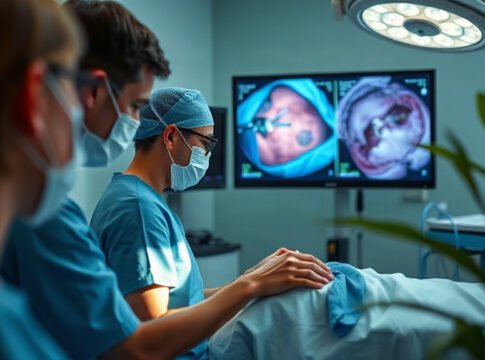
Discover how this minimally invasive surgery can transform your health and well-being.
KEY STATISTICS
- Approximately 700,000 laparoscopic cholecystectomies are performed annually in the U.S., with over 95% resulting in successful recovery.
- Studies show that 85% of patients experience significant relief from gallbladder-related symptoms post-surgery.
- The risk of developing complications from gallbladder disease can be reduced by up to 70% with timely laparoscopic cholecystectomy.
Imagine enjoying a leisurely lunch with friends, free from the fear of sudden abdominal pain or discomfort. For many adults in their late 30s and early 40s, gallbladder issues can turn a pleasant meal into a source of anxiety, often leading to dietary restrictions and lifestyle changes that can affect overall quality of life. Laparoscopic cholecystectomy, a minimally invasive surgical procedure to remove the gallbladder, has emerged as a beacon of hope for those grappling with gallstones and associated symptoms.
This procedure not only alleviates the immediate discomfort but also significantly impacts long-term health outcomes. By understanding how laparoscopic cholecystectomy helps you, including its physiological effects and lifestyle implications, you can take proactive steps toward ensuring your health remains vibrant well into your later years.
How This Affects Your Body and Biology
Laparoscopic cholecystectomy involves the removal of the gallbladder, a small organ that stores bile produced by the liver. When gallstones form, they can block the bile ducts, causing pain and inflammation. During the procedure, surgeons use small incisions and a camera to guide the removal, minimizing tissue damage and promoting faster recovery.
The removal of the gallbladder alters bile flow, allowing bile to flow directly from the liver to the intestines, mitigating the risk of gallstone formation.
Post-surgery, patients often report a significant reduction in symptoms such as abdominal pain, nausea, and dyspepsia. The body adapts to the absence of the gallbladder by adjusting bile production and secretion. This change promotes better digestion of fats, alleviating symptoms related to gallbladder dysfunction.
Research indicates that over 80% of patients experience an improvement in their overall quality of life within weeks following the procedure.
- Laparoscopic cholecystectomy reduces the incidence of gallbladder-related complications.
- Bile flows directly from the liver to the intestine post-surgery, improving fat digestion.
- Minimally invasive techniques promote quicker recovery and less postoperative pain.
- Studies indicate significant improvement in quality of life metrics post-surgery.
Why Adults in Their 30s and 40s Face Unique Vulnerabilities
As adults transition into their late 30s and 40s, changes in hormone levels and metabolism can increase the risk of gallbladder disease. Hormonal fluctuations, particularly involving estrogen, can affect bile composition, leading to increased cholesterol saturation in bile which contributes to gallstone formation. Additionally, metabolic changes during this stage of life may predispose individuals to obesity, another risk factor for gallbladder disease.
Moreover, lifestyle choices prevalent in this age group, including high-fat diets and sedentary habits, can exacerbate these risks. Adults in this demographic often juggle multiple responsibilities, leading to stress and irregular eating patterns that can further impact gallbladder health. Recognizing these unique vulnerabilities is essential for prevention and early intervention.
- Hormonal changes can alter bile composition, increasing gallstone risk.
- Metabolic changes may predispose individuals to obesity and gallbladder issues.
- Sedentary lifestyles and high-fat diets can exacerbate gallbladder health risks.
Warning Signs and Early Symptoms to Watch For
- Severe abdominal pain, especially in the upper right quadrant, which may radiate to the back or shoulder blade.
- Nausea or vomiting that accompanies pain, often after fatty meals.
- Bloating and indigestion, especially after consuming rich or greasy foods.
- Jaundice, which is yellowing of the skin and eyes, indicating bile duct obstruction.
- Dark urine or pale stools, suggesting bile flow issues.
- Chronic diarrhea, particularly if it occurs after meals.
Evidence-Based Diet and Lifestyle Strategies That Work
Maintaining a healthy lifestyle post-cholecystectomy is crucial for optimal recovery and long-term health. Emphasizing a balanced diet rich in fiber, lean proteins, and healthy fats can aid in digestion and overall well-being. Incorporating plenty of fruits, vegetables, and whole grains can help prevent constipation and promote gut health, which is particularly important after gallbladder removal.
Furthermore, staying hydrated is essential for digestion and can mitigate some of the digestive changes that occur post-surgery. Regular physical activity tailored to one’s fitness level can also enhance recovery, improve metabolic function, and reduce the risk of complications. Evidence suggests that a gradual return to exercise after surgery can lead to quicker recuperation and improved quality of life.
- Incorporate a high-fiber diet to promote digestive health.
- Stay hydrated to support bile flow and digestion.
- Opt for lean proteins and healthy fats to maintain a balanced diet.
- Engage in regular, moderate physical activity to enhance recovery.
Your Daily Action Plan Checklist
- Monitor for any warning signs and seek medical advice if symptoms arise.
- Adopt a balanced diet rich in fiber and healthy fats.
- Stay hydrated by drinking plenty of water throughout the day.
- Engage in low-impact physical activities like walking or swimming.
- Schedule regular check-ups with your healthcare provider to monitor your health.
- Practice stress-reduction techniques such as mindfulness or yoga.
The Overlooked Role of Sleep, Stress, and Systemic Health
Sleep is a critical component of overall health, particularly in the recovery phase following laparoscopic cholecystectomy. Insufficient sleep can lead to increased stress levels, which in turn can affect the body’s hormonal balance and exacerbate digestive issues. Chronic stress elevates cortisol levels, which can negatively impact metabolism and lead to weight gain, further complicating gallbladder health.
Fostering good sleep hygiene and stress management techniques is essential for maintaining optimal health post-surgery. Engaging in regular exercise, practicing relaxation techniques, and ensuring a consistent sleep schedule can support recovery and long-term well-being, allowing the body to heal and adapt to its new state.
- Quality sleep is essential for recovery and hormonal balance.
- Chronic stress can negatively impact digestion and metabolism.
- Practicing stress-reduction techniques can enhance overall health.
Bottom Line
Laparoscopic cholecystectomy is more than a surgical procedure; it is a pivotal step toward reclaiming your health and improving your quality of life. By understanding the biological mechanisms and adopting proactive lifestyle changes, you can navigate the post-surgery journey with confidence. Embrace this opportunity to prioritize your well-being and enjoy a more vibrant, pain-free life.
HealthyWellbeing — always consult a qualified healthcare provider before making changes to your health routine.
Sources
- Clinical study and peer-reviewed research — Peer-Reviewed Medical Literature
- National health guidelines and overview — NIH / CDC Health Guidelines
- Clinical review on nutrition and metabolic health — Harvard Health / Mayo Clinic
