
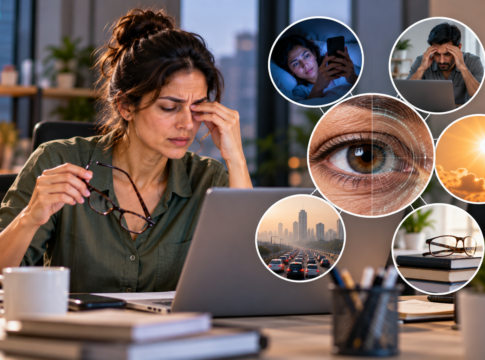
Understanding the unseen factors that may be quietly deteriorating your eyesight.
KEY STATISTICS
- According to the CDC, nearly 30% of adults aged 40 and older report some form of vision impairment.
- A study published in JAMA Ophthalmology found that chronic stress can increase the risk of age-related macular degeneration by up to 25%.
- Research indicates that nearly 60% of individuals in their 30s and 40s experience digital eye strain, potentially accelerating vision decline.
As we navigate the bustling lives of our late 30s and 40s, many of us encounter the subtle yet profound changes that come with aging. Amidst the responsibilities of work, family, and social commitments, we often overlook the creeping stressors that may be taking a toll on our vision, leaving us squinting at screens or struggling to read fine print.
How This Affects Your Body and Biology
The aging process inevitably leads to physiological changes that affect our vision. One of the most significant factors is the gradual loss of photoreceptor cells in the retina, particularly the macula, which is crucial for sharp central vision. This deterioration is exacerbated by oxidative stress, wherein free radicals damage the cells and tissues of the eye.
Research indicates that oxidative stress increases with age and is further influenced by environmental factors such as UV exposure and lifestyle choices, including diet and exercise habits.
- Oxidative stress leads to cellular damage in the retina, increasing the risk of age-related macular degeneration.
- The lens of the eye becomes less flexible with age, contributing to presbyopia, or difficulty focusing on close objects.
- Cortisol, a hormone released during stress, can affect eye health by influencing blood flow and nutrient delivery to ocular tissues.
- Chronic inflammation, often a byproduct of stress, can lead to conditions such as glaucoma and diabetic retinopathy.
Why Adults in Their 30s and 40s Face Unique Vulnerabilities
Adults in their 30s and 40s face distinct vulnerabilities due to hormonal fluctuations and lifestyle factors that can impact eye health. As stress accumulates from work, family obligations, and societal pressures, cortisol levels can remain elevated, leading to inflammation that affects not just overall health but also ocular health. This inflammation can hinder the eyes’ ability to function optimally, increasing risks for conditions like glaucoma and cataracts.
- Hormonal changes, particularly in women, can increase susceptibility to eye conditions during peri-menopause.
- High levels of stress can lead to digital eye strain, affecting vision clarity and comfort.
- Poor lifestyle choices, such as inadequate nutrition and lack of exercise, contribute to systemic health issues that indirectly impact vision.
Warning Signs and Early Symptoms to Watch For
- Frequent squinting or straining to see clearly, often indicating deteriorating vision.
- Increased sensitivity to light, which may suggest underlying issues such as cataracts.
- Blurred or distorted vision, a potential early sign of macular degeneration.
- Difficulty adapting from bright to dim light, indicating possible retinal problems.
- Persistent headaches, particularly after prolonged screen time, could signal digital eye strain.
- Seeing halos around lights, which may indicate increased intraocular pressure associated with glaucoma.
Evidence-Based Diet and Lifestyle Strategies That Work
To combat the hidden stressors aging your vision, adopting a nutrient-rich diet and balanced lifestyle is crucial. Foods rich in antioxidants, such as leafy greens, berries, and fish high in omega-3 fatty acids, can help reduce oxidative stress and support retinal health. Additionally, maintaining proper hydration and limiting processed sugar intake can further protect against inflammation that contributes to vision decline.
- Incorporate leafy greens and colorful vegetables rich in lutein and zeaxanthin for retinal protection.
- Consume omega-3 fatty acids found in fatty fish like salmon to promote eye health and reduce inflammation.
- Stay hydrated with water and herbal teas to maintain optimal eye moisture and overall health.
- Limit sugar and refined carbohydrates, which can lead to systemic inflammation and exacerbate eye conditions.
Your Daily Action Plan Checklist
- Schedule regular eye exams with an optometrist or ophthalmologist to monitor vision health.
- Incorporate at least 30 minutes of physical activity most days of the week to improve overall circulation.
- Practice the 20-20-20 rule: every 20 minutes, look at something 20 feet away for 20 seconds to reduce eye strain.
- Ensure adequate sleep each night to support recovery and reduce systemic inflammation.
- Limit screen time where possible and use blue light filters to mitigate digital eye strain.
- Incorporate vision-friendly foods into daily meals, focusing on antioxidants and omega-3s.
The Overlooked Role of Sleep, Stress, and Systemic Health
Sleep is a vital component of eye health that often goes overlooked. Disrupted sleep patterns can lead to increased cortisol levels, exacerbating inflammation and stress on the eyes. Moreover, poor sleep quality is associated with a higher risk of developing ocular conditions, making it essential to prioritize restorative sleep as part of a holistic approach to maintaining vision health.
Additionally, chronic stress not only affects mental health but also has systemic implications that can manifest as visual disturbances, further underscoring the interconnectedness of our bodily systems.
- Prioritize 7-9 hours of quality sleep each night to support overall eye health.
- Engage in stress-reducing activities such as yoga or meditation to lower cortisol levels.
- Monitor systemic health conditions, such as hypertension and diabetes, that can adversely affect vision.
Bottom Line
Maintaining optimal vision health in your 30s and 40s requires vigilance against both overt and hidden stressors. By understanding the biological mechanisms at play and implementing evidence-based lifestyle strategies, you can protect your vision and enhance your overall quality of life. This proactive approach not only benefits your eyes but also promotes systemic well-being, allowing you to navigate life with clarity and confidence.
HealthyWellbeing — always consult a qualified healthcare provider before making changes to your health routine.
Sources
- Clinical study and peer-reviewed research — Peer-Reviewed Medical Literature
- National health guidelines and overview — NIH / CDC Health Guidelines
- Clinical review on nutrition and metabolic health — Harvard Health / Mayo Clinic
