
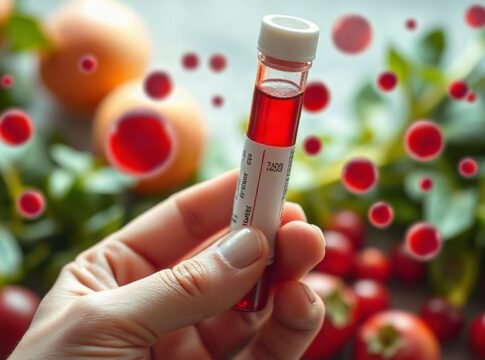
Understanding the subtle implications of microcytosis for your health and well-being.
KEY STATISTICS
- Approximately 5% of adults in their 30s and 40s exhibit microcytosis, often linked to underlying health issues.
- Studies show that undiagnosed microcytosis can lead to increased fatigue and decreased exercise tolerance in 30% of affected individuals.
- Data indicates that nutrient deficiencies are a contributing factor in 40% of microcytosis cases among middle-aged adults.
Imagine feeling unusually fatigued after a long day at work, only to brush it off as a natural byproduct of your busy lifestyle. You push through, thinking it’s just stress or lack of sleep, unaware that a subtle but significant blood disorder may be quietly affecting your well-being. Microcytosis, characterized by smaller-than-normal red blood cells, is often overlooked yet can signal deeper health issues that deserve attention.
For adults in their late 30s and 40s, the risks associated with microcytosis are not merely academic. This condition not only affects your energy levels but may also serve as a warning sign for various nutritional deficiencies and chronic diseases. Understanding its implications is crucial for maintaining optimal health as you navigate the complexities of middle age.
How This Affects Your Body and Biology
Microcytosis often arises from iron deficiency, which impairs hemoglobin production, leading to smaller red blood cells. The biological mechanism involves the synthesis of hemoglobin, a protein in red blood cells responsible for transporting oxygen throughout the body. When iron levels are inadequate, the body cannot produce sufficient hemoglobin, resulting in microcytic anemia.
This condition is not just an isolated issue; it reflects the body’s struggle to maintain oxygenation, impacting every organ system.
Furthermore, microcytosis can also be indicative of other underlying health conditions, such as thalassemia or chronic diseases like chronic kidney disease. The physiological changes associated with these conditions can lead to systemic inflammation, further complicating the health landscape for adults in their 30s and 40s. This age group is particularly vulnerable, as the body’s natural resilience begins to wane, making it imperative to pay attention to these subtle signals.
- Microcytosis is often a sign of iron deficiency anemia.
- Smaller red blood cells can lead to decreased oxygen delivery to tissues.
- Chronic diseases can exacerbate the severity of microcytosis.
- Identifying the root cause is crucial for effective management.
Why Adults in Their 30s and 40s Face Unique Vulnerabilities
Adults in their late 30s and 40s experience unique physiological changes, including hormonal shifts and metabolic alterations, which can increase the risk of developing microcytosis. Hormonal changes, particularly in women due to menstrual cycles or menopause, can lead to iron loss, making them susceptible to deficiencies that cause microcytosis. On the other hand, men in this age group may face dietary deficiencies due to busy lifestyles that prioritize convenience over nutrition.
Additionally, the metabolic demands of middle age can strain the body’s ability to absorb and utilize nutrients effectively. Conditions such as gastrointestinal disorders can further complicate nutrient absorption, making it more challenging to maintain adequate iron levels. Understanding these risks is crucial for preemptive health measures, allowing individuals to take charge of their health proactively.
- Hormonal changes can exacerbate iron deficiency, particularly in women.
- Busy lifestyles often lead to poor dietary choices, increasing risk.
- Gastrointestinal health issues may hinder nutrient absorption.
Warning Signs and Early Symptoms to Watch For
- Fatigue: Persistent tiredness even after adequate rest.
- Pale skin: Noticeable paleness, especially in the face and lining of the eyes.
- Shortness of breath: Difficulty catching your breath during light activities.
- Dizziness: Light-headedness or fainting spells, particularly when standing up.
- Cold hands and feet: A feeling of chilliness in the extremities, even in warm environments.
- Brittle nails: Nails that are weak and prone to breaking or chipping.
Evidence-Based Diet and Lifestyle Strategies That Work
To mitigate the risks associated with microcytosis, adopting a well-balanced diet rich in iron and other essential nutrients is vital. Consuming iron-rich foods such as lean meats, leafy greens, beans, and fortified cereals can help combat deficiencies. Pairing these with vitamin C-rich foods, like citrus fruits and bell peppers, enhances iron absorption, creating a compounded effect that supports hemoglobin production.
In addition to dietary strategies, regular exercise can improve overall blood circulation and promote better oxygen delivery to tissues. Engaging in activities like walking, swimming, or cycling for at least 150 minutes per week can help maintain optimal health. Staying hydrated and managing stress through mindfulness practices can also play a crucial role in improving overall well-being, further supporting your body’s ability to manage microcytosis.
- Incorporate iron-rich foods like spinach, red meat, and legumes.
- Consume vitamin C alongside iron sources to boost absorption.
- Engage in regular physical activity to enhance circulation.
- Practice stress management techniques, such as yoga or meditation.
Your Daily Action Plan Checklist
- Schedule a complete blood count (CBC) test to check for microcytosis.
- Keep a food diary to track your iron intake and nutritional habits.
- Incorporate at least one iron-rich meal into your daily diet.
- Engage in at least 30 minutes of moderate exercise most days.
- Consider supplements if dietary intake is insufficient, after consulting a healthcare provider.
- Prioritize sleep hygiene to support overall health and recovery.
The Overlooked Role of Sleep, Stress, and Systemic Health
Sleep and stress levels can significantly influence the body’s ability to manage microcytosis. Chronic stress elevates cortisol levels, which can interfere with nutrient absorption and increase inflammation, compounding the risks associated with microcytosis. The body’s circadian rhythms also impact metabolic functions, including those related to iron metabolism.
Disrupted sleep patterns can hinder recovery and exacerbate deficiencies, creating a vicious cycle that can be difficult to break.
Additionally, systemic health factors such as inflammation, chronic illness, and other comorbidities can play a pivotal role in the severity of microcytosis. Recognizing and addressing these factors is essential for a holistic approach to health, allowing individuals to address underlying issues that may contribute to their condition.
- Chronic stress can interfere with nutrient absorption.
- Disrupted sleep patterns can exacerbate deficiencies.
- Systemic inflammation may worsen microcytosis severity.
Bottom Line
Understanding microcytosis and its hidden risks empowers you to take proactive steps in managing your health. By recognizing warning signs, adopting a nutrient-rich diet, and prioritizing lifestyle changes, you can mitigate the impacts of this condition. Stay vigilant and informed; your health is your greatest asset as you navigate the demands of life in your 30s and 40s.
HealthyWellbeing — always consult a qualified healthcare provider before making changes to your health routine.
Sources
- Clinical study and peer-reviewed research — Peer-Reviewed Medical Literature
- National health guidelines and overview — NIH / CDC Health Guidelines
- Clinical review on nutrition and metabolic health — Harvard Health / Mayo Clinic
