
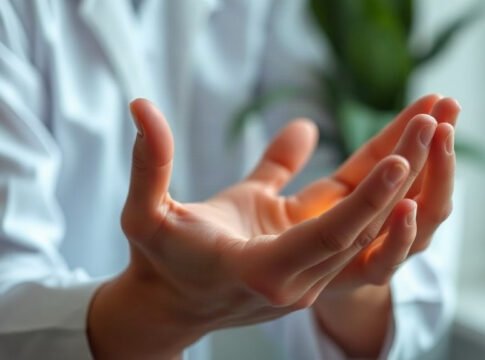
_Understanding the intricacies of hand burns and the pathways to effective healing_
KEY STATISTICS
- Approximately 500,000 burn injuries are treated in U.S. emergency rooms annually, with hand burns representing 20% of these cases.
- Clinical evidence suggests that timely treatment can reduce recovery time from burns by up to 50%.
- Studies indicate that adults aged 35-45 experience a 30% higher risk of complications from burns compared to younger populations.
Imagine preparing a meal after a long day, only to accidentally touch a hot pan. The immediate pain is sharp and intense, but the real challenge lies in how your body will heal. Hand burns, whether minor or severe, can disrupt daily life, affecting everything from work to self-care routines.
Understanding the healing process not only aids in recovery but also empowers you to take proactive measures to minimize complications and support your body’s natural repair mechanisms.
In the realm of injuries, hand burns are particularly troublesome due to the intricate structure of the skin and underlying tissues in this area. For adults in their late 30s and 40s, the stakes are higher; age-related changes in skin resilience and healing capacity can make recovery more complex. This article delves into the biological fundamentals of hand burns, the unique vulnerabilities faced by this age group, and evidence-based strategies for effective healing.
How This Affects Your Body and Biology
When a burn occurs, it triggers a cascade of biological responses aimed at repairing the damaged tissue. The skin comprises three primary layers—the epidermis, dermis, and subcutaneous tissue. A burn damages these layers, resulting in inflammation, pain, and potential infection.
The immediate response involves the release of inflammatory mediators such as cytokines and prostaglandins, which increase blood flow and recruit immune cells to the site of injury. This inflammatory phase is crucial for fighting off infections but can also lead to swelling and discomfort.
As healing progresses, the body enters the proliferative phase, where fibroblasts synthesize collagen and extracellular matrix components to rebuild the damaged tissue. This phase is essential for restoring skin integrity and function. Interestingly, the age of an individual plays a significant role in the rate and quality of this healing process, as older adults often exhibit a slower regenerative capacity due to decreased cellular proliferation and altered immune response.
- Burns initiate an inflammatory response that is crucial for healing but can also cause pain and swelling.
- The skin’s structure includes multiple layers, each playing a role in the healing process.
- Aging affects the healing capacity, with older adults experiencing slower recovery due to diminished cellular function.
- Effective treatment can significantly enhance recovery and reduce the risk of complications.
Why Adults in Their 30s and 40s Face Unique Vulnerabilities
Adults aged 35 to 45 often face unique challenges when healing from hand burns due to physiological changes that accompany aging. Hormonal fluctuations, particularly in women, can affect skin elasticity and moisture retention, leading to a more pronounced inflammatory response following injury. Additionally, changes in metabolic function can slow down cellular repair processes, making recovery longer and more complicated.
Chronic conditions such as diabetes or hypertension, which may be more prevalent in this age group, can also impede healing, increasing the risk of complications like infections or scarring.
Furthermore, the lifestyle factors common in this age bracket, such as higher stress levels and less physical activity, can exacerbate these vulnerabilities. Stress is known to elevate cortisol levels, which can suppress immune function and slow down the healing process. As adults navigate a busy life filled with professional and personal responsibilities, they may neglect self-care practices that are critical for optimal recovery.
- Hormonal changes can impact skin elasticity and healing capacity.
- Chronic health conditions prevalent in this age group can complicate recovery.
- Increased stress levels can suppress the immune response and slow healing.
Warning Signs and Early Symptoms to Watch For
- Redness and swelling around the burn area, indicating inflammation and potential infection.
- Blistering, which may signify a deeper degree of burn requiring medical attention.
- Increased pain or sensitivity, especially if it worsens over time.
- Foul-smelling discharge from the burn site, indicating infection.
- Fever or chills, which can suggest systemic infection.
- Difficulty moving the fingers or wrist, hinting at possible structural damage.
Evidence-Based Diet and Lifestyle Strategies That Work
To support healing from hand burns, incorporating specific dietary and lifestyle changes can be highly beneficial. A diet rich in antioxidants, vitamins A, C, and E, and zinc is essential for skin repair and immune function. Foods such as berries, leafy greens, nuts, seeds, and fatty fish provide these nutrients, promoting collagen synthesis and reducing inflammation.
Staying adequately hydrated is also crucial, as fluids help maintain skin elasticity and support metabolic processes essential for healing.
Additionally, adopting practices that reduce stress can significantly enhance recovery. Techniques such as mindfulness, yoga, and regular physical activity can lower cortisol levels, promoting a healthier immune response. Establishing a consistent sleep schedule is equally important, as restorative sleep plays a vital role in cellular repair and overall health.
By combining these dietary strategies with stress management techniques, adults can create an environment conducive to effective healing.
- Incorporate antioxidant-rich foods such as berries and leafy greens.
- Ensure adequate hydration to maintain skin health and support healing.
- Practice stress-reduction techniques like yoga and mindfulness.
- Prioritize sleep for optimal cellular repair and immune function.
Your Daily Action Plan Checklist
- Assess the severity of the burn and seek medical attention if necessary.
- Clean the burn gently with mild soap and water, avoiding harsh chemicals.
- Apply a topical antibiotic ointment to prevent infection.
- Dress the burn with a sterile bandage, changing it regularly.
- Maintain a balanced diet rich in vitamins and antioxidants.
- Implement stress-reduction techniques and establish a consistent sleep routine.
The Overlooked Role of Sleep, Stress, and Systemic Health
The interplay between sleep, stress, and overall systemic health cannot be overstated when it comes to healing from burns. Chronic stress elevates cortisol levels, which can impair immune function and slow the healing process. Moreover, inadequate sleep disrupts the body’s natural healing rhythms, affecting cellular repair mechanisms.
Research indicates that sleep deprivation can reduce the production of growth hormones, essential for tissue regeneration. Therefore, prioritizing quality sleep and effective stress management is critical for those recovering from hand burns, especially for adults in their late 30s and 40s who may already be experiencing age-related challenges.
Incorporating daily habits that support circadian rhythms, such as limiting screen time before bed and creating a relaxing nighttime routine, can significantly enhance sleep quality. Additionally, addressing systemic health issues—such as managing chronic conditions and maintaining a healthy lifestyle—plays a pivotal role in recovery. By fostering a holistic approach to health, individuals can mitigate the impacts of stress and sleep deprivation on healing.
- Chronic stress elevates cortisol, impairing immune function and healing.
- Sleep deprivation disrupts cellular repair mechanisms and growth hormone production.
- Addressing systemic health conditions is vital for optimal recovery.
Bottom Line
Healing from hand burns requires a comprehensive approach that involves understanding the biological processes at play, recognizing the unique vulnerabilities of adults in their 30s and 40s, and implementing lifestyle changes that promote recovery. By prioritizing nutrition, stress management, and quality sleep, individuals can not only enhance their healing process but also foster long-term health and resilience against future injuries. Empower yourself with knowledge and proactive strategies to navigate the road to recovery effectively.
HealthyWellbeing — always consult a qualified healthcare provider before making changes to your health routine.
Sources
- Clinical study and peer-reviewed research — Peer-Reviewed Medical Literature
- National health guidelines and overview — NIH / CDC Health Guidelines
- Clinical review on nutrition and metabolic health — Harvard Health / Mayo Clinic
