
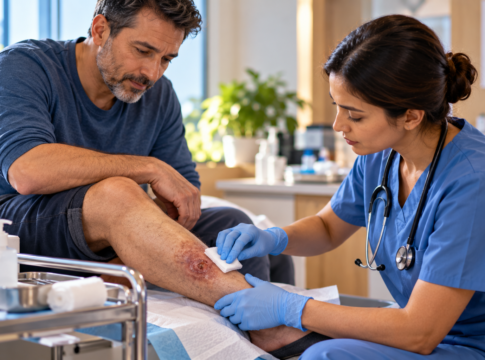
Understanding safe and effective approaches to healing chronic wounds for a healthier tomorrow.
KEY STATISTICS
- Approximately 6.5 million Americans suffer from chronic wounds, with diabetic ulcers being the most common.
- Chronic wounds significantly increase healthcare costs, with estimates of $28 billion spent annually in the U.S. alone.
- Over 90% of chronic wounds are associated with underlying conditions like diabetes and venous insufficiency.
Imagine waking up every day to a persistent wound that refuses to heal, reminding you of your body’s fragility in the face of life’s demands. For many adults in their late 30s and 40s, chronic skin wounds are not just a nuisance; they signify deeper issues that can affect quality of life and overall health. The journey to recovery often feels overwhelming, but understanding the underlying causes and the most effective healing strategies can empower you to take control of your health.
How This Affects Your Body and Biology
Chronic wounds, characterized by their prolonged healing process, often stem from a complex interplay of biological and physiological factors. At the cellular level, the healing process involves several stages: hemostasis, inflammation, proliferation, and remodeling. Each stage relies on a myriad of cellular interactions, including the activation of platelets, recruitment of immune cells, and the proliferation of fibroblasts and keratinocytes.
Disturbances in any of these phases can lead to non-healing wounds, commonly observed in individuals with diabetes or vascular issues.
- The inflammatory phase can last longer than normal, leading to excessive scarring and diminished function.
- Reduced blood flow and oxygen supply impair the delivery of essential nutrients and cells to the wound site.
- Chronic inflammation can result in the overproduction of matrix metalloproteinases, enzymes that degrade the extracellular matrix.
- Underlying conditions, such as diabetes, can hinder the formation of new blood vessels, critical for wound healing.
Why Adults in Their 30s and 40s Face Unique Vulnerabilities
Adults in their late 30s and 40s encounter unique physiological changes that can exacerbate the risk of developing chronic skin wounds. As metabolism slows and hormonal levels fluctuate, particularly with declining estrogen and testosterone, the skin’s regenerative capacity decreases. This age group may also experience decreased collagen production, a critical protein for skin elasticity and strength, making them more susceptible to injuries that fail to heal promptly.
- Hormonal changes can lead to reduced skin thickness and elasticity, increasing the risk of skin tears.
- Chronic stress is more prevalent in this demographic, contributing to systemic inflammation that impairs healing.
- Metabolic disorders, such as diabetes, often manifest in this age group, complicating wound healing further.
Warning Signs and Early Symptoms to Watch For
- Persistent redness around the wound: Indicates ongoing inflammation that may require medical attention.
- Increased drainage or pus: Signifies possible infection, which can complicate healing.
- Pain or discomfort: A heightened sensation may indicate deeper issues within the wound.
- Swelling: Can be a sign of fluid accumulation, potentially signaling a need for intervention.
- Delayed healing: Wounds that do not show improvement within two weeks should be evaluated.
- Changes in skin color: Darkening or discoloration around the wound can suggest complications.
Evidence-Based Diet and Lifestyle Strategies That Work
Adopting a holistic approach to healing chronic wounds involves integrating evidence-based dietary protocols and lifestyle habits that promote optimal wound healing. A diet rich in antioxidants, vitamins, and minerals can significantly bolster the body’s repair mechanisms. Nutrients such as vitamin C, zinc, and protein are crucial for collagen synthesis and immune function.
Incorporating lean meats, fish, nuts, seeds, and a variety of fruits and vegetables can create a nutrient-dense foundation for healing.
- Increase protein intake to support tissue repair, aiming for lean sources like chicken, fish, and legumes.
- Include foods rich in vitamin C, such as citrus fruits and bell peppers, to enhance collagen production.
- Consume zinc-rich foods, like nuts and whole grains, to bolster immune function.
- Stay hydrated to ensure optimal blood flow and nutrient delivery to tissues.
Your Daily Action Plan Checklist
- Monitor your wounds daily for signs of infection or delayed healing.
- Incorporate a balanced diet rich in nutrients essential for skin health.
- Stay active to promote circulation and overall well-being.
- Manage stress through practices such as yoga, meditation, or deep breathing exercises.
- Consult a healthcare professional if healing does not progress as expected.
- Educate yourself on proper wound care techniques to enhance recovery.
The Overlooked Role of Sleep, Stress, and Systemic Health
Sleep and stress management play pivotal roles in the healing process that are often overlooked. Chronic stress elevates cortisol levels, which can inhibit the inflammatory response necessary for proper healing. Furthermore, inadequate sleep disrupts the body’s natural repair mechanisms, leading to prolonged inflammation and delayed wound closure.
Prioritizing restorative sleep and stress reduction strategies can therefore have a profound impact on the body’s ability to heal chronic wounds.
- Aim for 7-9 hours of quality sleep each night to support healing processes.
- Incorporate stress-reducing activities into your daily routine, such as mindfulness or exercise.
- Recognize the connection between mental health and physical healing; address emotional stressors.
Bottom Line
Healing chronic skin wounds is not just about treating the surface; it requires a comprehensive understanding of the body’s intricate healing processes and a commitment to holistic health practices. By addressing the underlying factors such as nutrition, stress, and lifestyle, adults in their 30s and 40s can significantly enhance their healing outcomes, paving the way for a healthier, more vibrant life.
HealthyWellbeing — always consult a qualified healthcare provider before making changes to your health routine.
Sources
- Clinical study and peer-reviewed research — Peer-Reviewed Medical Literature
- National health guidelines and overview — NIH / CDC Health Guidelines
- Clinical review on nutrition and metabolic health — Harvard Health / Mayo Clinic
