
Understanding the often-overlooked contributors to gallstone formation and their impact on your health.
KEY STATISTICS
- Approximately 10-15% of adults will develop gallstones at some point in their lives.
- Women are twice as likely to develop gallstones compared to men, especially during their reproductive years.
- Obesity increases the risk of gallstones by 30-70%, depending on the degree of overweight.
Imagine enjoying a rich, creamy meal, only to be gripped by sudden, intense abdominal pain hours later. This common yet alarming experience can be a sign of gallstones, a condition that often flies under the radar until it becomes acute. For adults in their late 30s and 40s, understanding the hidden risk factors associated with gallstones is not just beneficial; it’s crucial for maintaining optimal health and well-being.
Gallstones form when there is an imbalance in the substances that make up bile—a digestive fluid produced by the liver. As we age, our bodies experience hormonal and metabolic changes that can increase the likelihood of these imbalances. In this article, we will explore these hidden risk factors, their implications, and actionable strategies to mitigate the risk of gallstones, ensuring a healthier future for you and your loved ones.
How This Affects Your Body and Biology
Gallstones primarily consist of hardened deposits of digestive fluid, typically formed in the gallbladder. They can be classified into two main types: cholesterol gallstones, which are predominantly made of hardened cholesterol, and pigment gallstones, comprising bilirubin. The formation of cholesterol gallstones often occurs when there is excess cholesterol in the bile that the liver produces, or when the gallbladder doesn’t empty efficiently.
Over time, this can lead to crystallization and the eventual formation of stones.
The biological mechanisms behind gallstone formation are closely tied to metabolic processes. When bile contains too much cholesterol and not enough bile salts, the cholesterol can crystallize. Additionally, certain hormones, such as estrogen, can influence gallbladder motility and bile composition.
This is particularly relevant for women, who experience fluctuations in hormone levels, especially during pregnancy or hormone replacement therapy, which can elevate their risk of developing gallstones.
- Cholesterol gallstones form when there is an imbalance in bile composition, typically excess cholesterol.
- Bile salts are critical for emulsifying fats; insufficient bile salts can lead to cholesterol crystallization.
- Hormonal changes, especially related to estrogen, can affect gallbladder function and bile composition.
- A sluggish gallbladder may not contract efficiently, contributing to the risk of stone formation.
Why Adults in Their 30s and 40s Face Unique Vulnerabilities
Adults in their late 30s and 40s are particularly susceptible to gallstones due to a combination of hormonal shifts and lifestyle factors. As individuals age, metabolic rates tend to slow, which can lead to weight gain and increased cholesterol levels in the bile. This is compounded by the hormonal changes that affect women more significantly, as estrogen can increase cholesterol saturation in bile, making gallstone formation more likely.
Moreover, lifestyle decisions—such as diet, physical activity, and stress management—play a crucial role in the risk of gallstones. Sedentary lifestyles and high-fat, low-fiber diets are prevalent in this demographic, both of which can exacerbate gallbladder dysfunction. Consequently, adults in their 30s and 40s must be particularly vigilant about their lifestyle choices to mitigate these risks.
- Weight gain and obesity significantly elevate the risk of gallstones due to increased cholesterol levels.
- Hormonal fluctuations in women, particularly during pregnancy, can influence gallbladder function.
- Sedentary lifestyles and poor dietary choices contribute to the development of gallstones.
Warning Signs and Early Symptoms to Watch For
- Intense abdominal pain, often in the upper right quadrant, which can radiate to the back or shoulder.
- Nausea and vomiting, typically following a heavy meal.
- Bloating or indigestion that does not resolve with over-the-counter medications.
- Jaundice, characterized by yellowing of the skin and eyes, indicating a potential blockage.
- Dark urine or clay-colored stools, signaling bile duct obstruction.
- Chronic fatigue or recurring discomfort in the abdomen.
Evidence-Based Diet and Lifestyle Strategies That Work
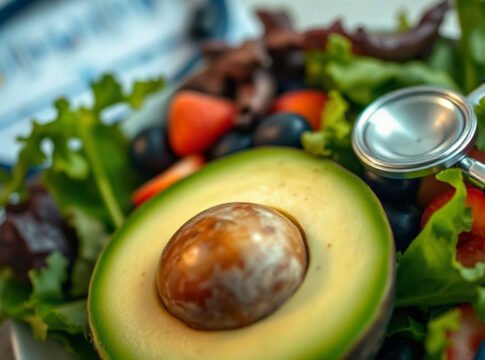
To reduce the risk of gallstones, adopting specific dietary and lifestyle changes can be incredibly effective. A diet rich in fiber, particularly from fruits, vegetables, and whole grains, can promote digestive health and decrease gallstone formation. Studies suggest that incorporating healthy fats, such as those found in avocados, nuts, and olive oil, can help in the efficient digestion of food, preventing bile stagnation.
Regular physical activity is also crucial. Engaging in moderate exercise not only aids in weight management but also enhances gallbladder function. Aim for at least 150 minutes of moderate aerobic activity each week, complemented by strength training exercises.
Additionally, staying hydrated is vital for maintaining optimal bile production and preventing concentration that can lead to stone formation.
- Increase dietary fiber intake through fruits, vegetables, and whole grains to promote digestive health.
- Incorporate healthy fats, such as olive oil and avocados, to support bile production and digestion.
- Engage in regular physical activity for weight management and improved gallbladder function.
- Stay well-hydrated to maintain optimal bile consistency and prevent gallstone formation.
Your Daily Action Plan Checklist
- Monitor your weight and aim for a healthy BMI through balanced diet and exercise.
- Incorporate at least 5 servings of fruits and vegetables into your daily meals.
- Limit intake of processed foods and high-fat meals, focusing on whole, nutrient-dense options.
- Schedule regular physical activity, aiming for at least 30 minutes most days of the week.
- Stay hydrated by drinking plenty of water; aim for at least 8 cups a day.
- Conduct regular self-checks for any symptoms of gallstones and consult with a healthcare provider if concerns arise.
The Overlooked Role of Sleep, Stress, and Systemic Health
Beyond diet and exercise, the interconnectedness of sleep and stress with gallbladder health cannot be overstated. Chronic stress can lead to elevated cortisol levels, which may disrupt normal hormonal balance and impact digestion. Poor sleep quality further exacerbates these issues, leading to metabolic disturbances that can increase gallstone risk.
Prioritizing stress management techniques, such as mindfulness, yoga, or regular physical activity, can significantly improve both mental and physical health outcomes.
Additionally, systemic health conditions such as diabetes and metabolic syndrome are linked to increased gallstone risk. Maintaining overall health through regular check-ups, balanced nutrition, and proactive management of chronic conditions is essential for long-term well-being.
- Chronic stress can lead to hormonal imbalances that affect gallbladder function.
- Poor sleep quality is associated with increased risk of metabolic disturbances.
- Systemic health conditions, such as diabetes, elevate the risk of gallstones.
Bottom Line
Understanding the hidden risk factors of gallstones empowers adults in their 30s and 40s to take proactive steps toward better health. By addressing lifestyle choices, being aware of warning signs, and managing stress, you can significantly reduce your risk of gallstone formation. Prioritizing your health is not just a personal choice; it’s a commitment to a better, more vibrant life.
HealthyWellbeing — always consult a qualified healthcare provider before making changes to your health routine.
Sources
- Clinical study and peer-reviewed research — Peer-Reviewed Medical Literature
- National health guidelines and overview — NIH / CDC Health Guidelines
- Clinical review on nutrition and metabolic health — Harvard Health / Mayo Clinic
