
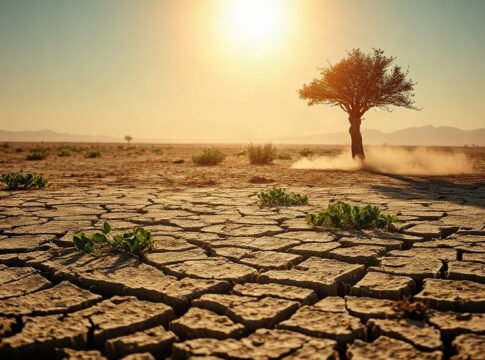
Understanding the ripple effects of drought on our health and the planet’s carbon balance.
KEY STATISTICS
- A study from the University of California found that drought conditions can reduce photosynthesis by up to 30%.
- According to the National Oceanic and Atmospheric Administration (NOAA), droughts have increased in frequency by 29% over the last 50 years.
- Research indicates that approximately 1 in 5 adults experience significant health effects related to climate change, including those exacerbated by drought.
Imagine walking through a once-lush park, now brown and brittle under the relentless sun. The vibrant ecosystem that once thrived is fading, and so too is a crucial process that supports life on Earth—carbon fixation. As drought conditions worsen globally, the implications extend beyond agriculture and wildlife; they touch our health and well-being, especially for adults navigating the complexities of midlife.
How This Affects Your Body and Biology
Carbon fixation is a biological process where plants convert carbon dioxide (CO2) into organic compounds using sunlight. This essential mechanism not only sustains plant life but also plays a critical role in regulating atmospheric CO2 levels. Drought disrupts this process by causing water stress, which leads to stomatal closure—tiny openings on plant leaves that regulate gas exchange.
When stomata close to prevent water loss, carbon uptake is reduced, leading to decreased photosynthesis and a cascade of ecological consequences.
- Drought-induced stomatal closure decreases carbon uptake, reducing plant growth.
- Lower photosynthesis rates can lead to increased atmospheric CO2 levels.
- Disruption in carbon fixation affects the entire food chain, including human health.
- Plant stress responses can lead to reduced nutrient quality in crops.
Why Adults in Their 30s and 40s Face Unique Vulnerabilities
Adults in their 30s and 40s are at a critical juncture in life, where metabolic shifts and hormonal changes can heighten vulnerability to environmental factors like drought. Chronic exposure to elevated CO2 levels and reduced nutritional quality from drought-affected crops can lead to metabolic disorders. As we age, our bodies become less efficient at managing stress and inflammation, which can be exacerbated by the strain drought places on our food systems and overall health.
- Hormonal fluctuations in midlife can amplify stress responses related to environmental changes.
- Metabolic health may decline with reduced nutrient intake from drought-impacted food sources.
- Increased inflammation from stress can lead to chronic health issues.
Warning Signs and Early Symptoms to Watch For
- Fatigue: Persistent tiredness that doesn’t improve with rest may indicate nutrient deficiencies.
- Mood Changes: Increased irritability or anxiety can signal hormonal imbalances exacerbated by environmental stress.
- Digestive Issues: Changes in appetite or gut health can occur due to lower nutrient availability.
- Skin Problems: Dryness or rashes can manifest as a result of dehydration and poor nutrition.
- Cognitive Decline: Difficulty concentrating may arise from diminished mental energy linked to nutrient deficits.
- Increased Illness: A lowered immune response can lead to more frequent colds or infections.
Evidence-Based Diet and Lifestyle Strategies That Work
To combat the impacts of drought on health, adults in their 30s and 40s can adopt evidence-based dietary strategies. Prioritizing whole, nutrient-dense foods can help mitigate the effects of diminished nutritional quality in crops. Incorporating a variety of fruits, vegetables, whole grains, and lean proteins ensures a well-rounded intake of essential vitamins and minerals.
Additionally, staying hydrated is paramount, especially as drought conditions can lead to increased dehydration risk. Regular physical activity not only enhances metabolic health but also supports emotional well-being, helping to buffer the stress of environmental changes.
- Focus on a plant-rich diet to ensure a broad spectrum of nutrients.
- Stay hydrated with water and electrolyte-rich beverages to counteract dehydration.
- Incorporate regular physical activity to enhance metabolic and mental health.
- Consider supplements if dietary sources are insufficient, especially vitamins D and C.
Your Daily Action Plan Checklist
- Incorporate at least five servings of fruits and vegetables into your daily diet.
- Drink at least eight glasses of water daily to maintain hydration.
- Engage in at least 150 minutes of moderate exercise per week.
- Monitor your mood and energy levels, and consult a healthcare provider if persistent changes occur.
- Stay informed about local agricultural conditions and consider supporting local, sustainable food sources.
- Practice stress-reduction techniques, such as mindfulness or yoga, to enhance overall resilience.
The Overlooked Role of Sleep, Stress, and Systemic Health
Sleep and stress management play critical roles in mitigating the health impacts of drought. Chronic stress can heighten cortisol levels, leading to increased inflammation and impaired immune function. Furthermore, poor sleep quality can exacerbate metabolic issues, making it even more challenging to maintain health during periods of environmental stress.
Establishing a consistent sleep routine and employing relaxation techniques can bolster resilience against these challenges, allowing adults to better navigate the complexities of midlife health amidst climate change.
- Prioritize 7-9 hours of quality sleep per night to support metabolic and hormonal balance.
- Incorporate relaxation techniques to manage stress and lower cortisol levels.
- Monitor and adjust lifestyle habits to promote systemic health and well-being.
Bottom Line
The interplay between drought and health is complex and multifaceted. By understanding the biological mechanisms at play and recognizing the unique vulnerabilities faced by adults in their 30s and 40s, we can take proactive steps to safeguard our health. Embracing a nutrient-rich diet, staying physically active, managing stress, and ensuring quality sleep are essential strategies for thriving in an increasingly unpredictable world.
Now is the time to equip ourselves with knowledge and resilience as we face the challenges posed by climate change.
HealthyWellbeing — always consult a qualified healthcare provider before making changes to your health routine.
Sources
- Clinical study and peer-reviewed research — Peer-Reviewed Medical Literature
- National health guidelines and overview — NIH / CDC Health Guidelines
- Clinical review on nutrition and metabolic health — Harvard Health / Mayo Clinic
