
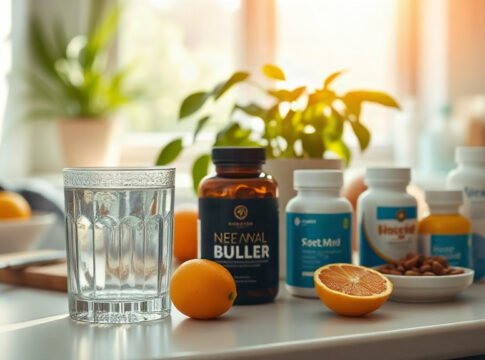
Explore how targeted supplements may mitigate the effects of a night out gone wrong.
KEY STATISTICS
- A study published in the Journal of Clinical Medicine found that 25% of adults report experiencing severe hangover symptoms after drinking.
- Research indicates that hydration levels can decrease by as much as 75% after alcohol consumption, exacerbating hangover symptoms.
- A clinical trial showed that specific supplements like prickly pear and B vitamins can reduce hangover severity by up to 50%.
Picture this: You wake up after a night of celebration, your head pounding, mouth dry, and stomach churning. As you groan and recall the fun moments, the regret sets in, and you wonder—could those pesky hangover symptoms have been curbed with the right supplements? For many, the quest for relief from alcohol’s aftereffects has led to the exploration of dietary supplements as a potential remedy, sparking interest in both the medical community and social circles alike.
As adults in their late 30s and 40s often juggle careers, families, and social lives, the occasional drink can lead to more than just a headache. While the allure of a good time is hard to resist, understanding how certain supplements may alleviate hangover symptoms can empower us to make better choices. In this article, we delve into the science behind hangovers, the unique challenges faced by our age group, and the evidence surrounding supplements that may hold promise for a smoother recovery.
How This Affects Your Body and Biology
Alcohol metabolism begins in the liver, where enzymes like alcohol dehydrogenase (ADH) convert ethanol into acetaldehyde, a toxic compound responsible for many hangover symptoms. Acetaldehyde is further broken down by aldehyde dehydrogenase (ALDH) into less harmful substances. However, excessive alcohol consumption can overwhelm these pathways, leading to a buildup of acetaldehyde, which can cause inflammation, dehydration, and oxidative stress in the body.
Additionally, alcohol has a diuretic effect, leading to increased urination and significant fluid loss. This dehydration can exacerbate hangover symptoms like headaches and fatigue. Nutrients like B vitamins, vitamin C, and amino acids like cysteine have been studied for their ability to support liver function and mitigate the effects of acetaldehyde.
For instance, cysteine helps in replenishing glutathione levels, a key antioxidant that aids in detoxification, thereby potentially reducing hangover severity.
- Alcohol is metabolized into acetaldehyde, which is toxic and linked to hangover symptoms.
- Dehydration from alcohol consumption can lead to headaches and fatigue.
- B vitamins and antioxidants may support liver function and detox pathways.
- Cysteine can help replenish glutathione, aiding in detoxification.
Why Adults in Their 30s and 40s Face Unique Vulnerabilities
As we age, our bodies undergo various physiological changes that can affect how we metabolize alcohol. By the time we reach our 30s and 40s, the liver’s enzymatic activity tends to decline. This reduction means that older adults may experience increased sensitivity to alcohol, leading to more pronounced hangover symptoms even after moderate consumption.
Additionally, hormonal changes such as decreased testosterone and estrogen levels can impact fluid balance and inflammation responses, further complicating recovery from a hangover.
Moreover, chronic stress is often a factor for adults in this demographic, which can alter cortisol levels and influence metabolic processes. Elevated cortisol can impair liver function and exacerbate inflammation, making hangovers feel worse. As responsibilities increase, the body’s ability to bounce back from the effects of alcohol diminishes, highlighting the importance of preventive measures like dietary supplementation.
- Declining liver enzyme activity can lead to increased sensitivity to alcohol.
- Hormonal changes affect fluid balance and inflammation responses.
- Chronic stress can impair liver function and exacerbate hangover symptoms.
Warning Signs and Early Symptoms to Watch For
- Headache: Often a result of dehydration and the toxic effects of acetaldehyde.
- Nausea: Caused by irritation of the stomach lining and the body’s inflammatory response.
- Fatigue: A combination of dehydration and the body’s effort to detoxify.
- Dizziness: Linked to dehydration and possible electrolyte imbalances.
- Sensitivity to light and sound: A common neurological symptom associated with hangovers.
- Muscle aches: Resulting from dehydration and inflammatory processes.
Evidence-Based Diet and Lifestyle Strategies That Work
To effectively manage and potentially prevent hangover symptoms, a multifaceted approach incorporating dietary strategies and lifestyle modifications is essential. Hydration is paramount; drinking water or electrolyte-rich beverages before, during, and after alcohol consumption can significantly mitigate dehydration. Incorporating foods rich in antioxidants, such as berries and leafy greens, can help combat oxidative stress caused by alcohol.
Additionally, consuming complex carbohydrates, like whole grains, can stabilize blood sugar levels, which tend to fluctuate after drinking.
Moreover, specific supplements have gained traction for their potential benefits. Research indicates that prickly pear extract may reduce hangover severity by decreasing inflammation and oxidative stress. Similarly, B vitamins, particularly B6 and B12, can support metabolic processes and energy levels, while milk thistle has been studied for its liver-protective properties.
Prioritizing a balanced diet rich in these nutrients can complement the body’s natural recovery mechanisms.
- Stay hydrated with water or electrolyte-rich drinks before, during, and after drinking.
- Include antioxidant-rich foods like berries and leafy greens in your diet.
- Consume complex carbohydrates to stabilize blood sugar levels.
- Consider supplements such as prickly pear extract and B vitamins for added support.
Your Daily Action Plan Checklist
- Plan ahead: Keep a water bottle handy and alternate alcoholic drinks with water.
- Nourish wisely: Eat a balanced meal with protein, healthy fats, and complex carbs before drinking.
- Supplement smart: Incorporate B vitamins and antioxidants into your routine.
- Limit alcohol intake: Know your limits and stick to them to minimize hangover risk.
- Rest and recover: Prioritize sleep after a night out to aid recovery.
- Monitor symptoms: Be aware of your body’s responses to alcohol and adjust your habits accordingly.
The Overlooked Role of Sleep, Stress, and Systemic Health
Sleep plays a crucial role in recovery from hangover symptoms. Alcohol can disrupt sleep patterns, leading to poor quality rest and prolonged fatigue. This lack of restorative sleep can amplify hangover symptoms, creating a vicious cycle.
Ensuring adequate sleep before and after drinking can aid in recovery and improve overall well-being.
Chronic stress, often a companion to adult life, can further complicate hangover recovery. Elevated cortisol levels can impair liver function and increase inflammation, leading to more severe symptoms. Implementing stress-relief techniques such as mindfulness, yoga, or deep-breathing exercises can mitigate these effects and support overall health.
- Quality sleep is essential for recovery; prioritize restful sleep around drinking events.
- Chronic stress can worsen hangover symptoms by impairing liver function.
- Mindfulness and relaxation techniques can support systemic health and recovery.
Bottom Line
While the prospect of using supplements to curb hangover symptoms is promising, a comprehensive approach is essential for optimal results. By understanding the biological mechanisms at play and addressing the unique challenges faced by adults in their 30s and 40s, you can make informed choices that may enhance your recovery experience. Remember, moderation and preparation are your best allies in navigating social situations, allowing you to enjoy the moment while minimizing the aftermath.
HealthyWellbeing — always consult a qualified healthcare provider before making changes to your health routine.
Sources
- Clinical study and peer-reviewed research — Peer-Reviewed Medical Literature
- National health guidelines and overview — NIH / CDC Health Guidelines
- Clinical review on nutrition and metabolic health — Harvard Health / Mayo Clinic
