
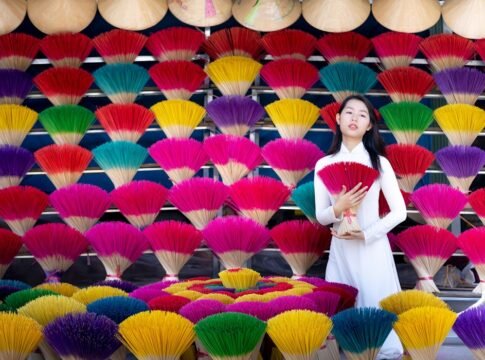
Colorful Beginnings
Imagine walking into a room bathed in serene blues or vibrant greens. Instantly, you might feel a sense of calm or an invigorating jolt of energy. This is no mere coincidence. The colors that envelop us each day wield a silent, yet profound influence over our emotions and stress levels. As stress becomes an ever-pressing concern in modern life, understanding the role of color psychology in stress relief offers a fascinating avenue to unlock new dimensions of serenity.
The Science of Color
Color psychology, a field of study that examines how hues impact human behavior and mood, suggests that colors can significantly influence our emotional and physiological states. When we perceive color, it triggers various responses in the brain, engaging the hypothalamus, which in turn influences the autonomic nervous system. This process can alter heart rates, hormone release, and even stress levels. For example, cooler tones like blues and greens are often associated with tranquility and calmness, capable of reducing stress and promoting relaxation. Conversely, warmer hues such as reds and oranges might increase arousal and anxiety, heightening alertness and energy.
Colorful Practices
Integrating mindful use of color into daily life can be a powerful tool for managing stress. Here are some practical steps to harness the power of color psychology:
- Home Decor: Choose calming colors like soft blues, muted greens, or gentle lavenders for bedrooms and relaxation spaces.
- Wardrobe Choices: Wear colors that promote tranquility and confidence, such as pastel shades or earth tones, during stressful days.
- Workspace Design: Incorporate elements of green or blue in your workspace to encourage a peaceful and productive environment.
- Meditative Visualization: During meditation, visualize calming colors to enhance relaxation and reduce stress levels.
- Art Therapy: Engage in coloring or painting with soothing colors as a stress-relieving creative outlet.
Color Meets Nutrition
While color psychology offers remarkable potential for stress relief, the synergy of colors with nutritional and lifestyle choices can magnify its effects. A diet rich in vibrantly colored fruits and vegetables not only boosts physical health but also complements emotional well-being. Foods high in antioxidants, such as blueberries, spinach, and carrots, can enhance mood and reduce stress. Similarly, lifestyle practices such as yoga or tai chi, performed in a serene, color-optimized environment, can amplify relaxation and stress reduction.
Enduring Serenity
The long-term integration of color psychology into one’s life can cultivate a sustained sense of serenity and well-being. By consciously choosing environments and practices that align with calming color palettes, individuals may experience reduced stress levels, improved mental health, and enhanced quality of life. Over time, these choices can lead to a resilient state of inner peace, equipping individuals to handle life’s challenges with greater ease and composure.
Conclusion: A Palette of Peace
In a world where stress is a constant companion, unlocking the serenity offered by color psychology presents a simple yet powerful strategy for enhancing our mental and emotional landscapes. By embracing the hues that soothe and inspire, and combining them with healthy lifestyle choices, individuals can craft a vibrant and peaceful existence. Let the colors of your life not just be seen, but felt, as a soothing embrace that fosters enduring tranquility.
Sources
Color Psychology Overview
Impact of Color on Emotion
Color, Mood, and Cognition
Nutritional Strategies for Stress Relief
