
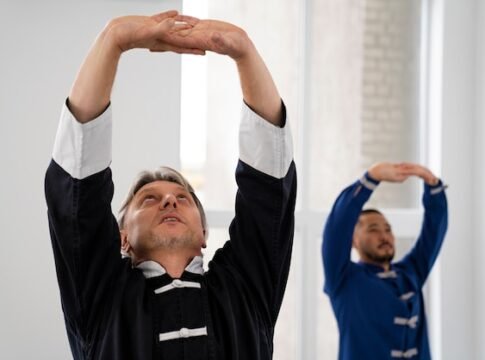
Graceful Beginnings
In an era where the constant clamor of notifications and the relentless pace of life pull us in every conceivable direction, the ancient practice of Tai Chi offers a serene sanctuary. Known as the “meditation in motion,” Tai Chi is more than just a series of fluid movements; it is a harmonious integration of body, mind, and spirit. This art form, steeped in history and tradition, provides a pathway to inner peace and physical well-being, making it an invaluable addition to our modern lives.
Harmony in Motion
At the core of Tai Chi lies a sophisticated interplay between the body and the mind. Originating from ancient Chinese martial arts, Tai Chi is characterized by its slow, deliberate movements, which are designed to cultivate the flow of “qi” or life energy throughout the body. Scientifically, these movements are known to enhance proprioception, balance, and muscle strength while promoting relaxation and mental clarity. The gentle, flowing sequences stimulate the central nervous system and improve cardiovascular health. Research suggests that regular practice of Tai Chi can significantly reduce stress levels and improve cognitive function, offering a holistic approach to health that is both preventive and therapeutic.
Tai Chi: A Daily Ritual
Incorporating Tai Chi into daily life doesn’t require a drastic overhaul of your routine. Instead, it can be seamlessly woven into your day with a few mindful adjustments. Here are some practical steps to help you embrace this calming practice:
- Start Small: Begin with a short session, 10-15 minutes a day, focusing on a few basic movements.
- Consistency is Key: Practice at the same time each day to establish a routine.
- Find a Mentor: Consider joining a Tai Chi class or following online tutorials to learn proper technique.
- Create Space: Dedicate a quiet, clutter-free area in your home for practice.
- Listen to Your Body: Pay attention to your body’s signals and adjust movements to avoid discomfort.
Synergistic Lifestyle Choices
Tai Chi’s benefits can be amplified when combined with complementary lifestyle choices. A balanced diet rich in antioxidants, omega-3 fatty acids, and vitamins can enhance cognitive and physical performance. Foods like leafy greens, nuts, and fish can support brain function and overall vitality, creating a nutritional foundation that complements the mindful movements of Tai Chi. Additionally, integrating practices such as meditation or yoga can further enhance the mind-body connection, promoting a state of holistic health that resonates throughout all aspects of life.
Enduring Well-being
The long-term impact of integrating Tai Chi into daily life extends beyond the physical realm. Regular practitioners report improvements in emotional resilience, reduced anxiety, and a heightened sense of purpose and well-being. As a low-impact exercise, Tai Chi is accessible to individuals of all ages and fitness levels, making it a sustainable practice that supports longevity and quality of life. Over time, the gentle art of Tai Chi fosters a deep-seated equilibrium, helping practitioners navigate life’s challenges with grace and composure.
Concluding Thoughts
In conclusion, Tai Chi is not merely an exercise; it is a profound journey towards balance and harmony, offering a refuge from the chaos of daily life. By integrating its principles into our routines, we can cultivate a healthier, more centered existence. As we gracefully move through the sequences, we learn to navigate our lives with the same fluidity and poise, finding peace in each moment.
Sources
Harvard Health: The Health Benefits of Tai Chi
National Institutes of Health: Tai Chi and Vestibular Rehabilitation
Mayo Clinic: Tai Chi for Stress Reduction
Frontiers in Psychiatry: Tai Chi and Cognitive Performance
