
Engaging Intro
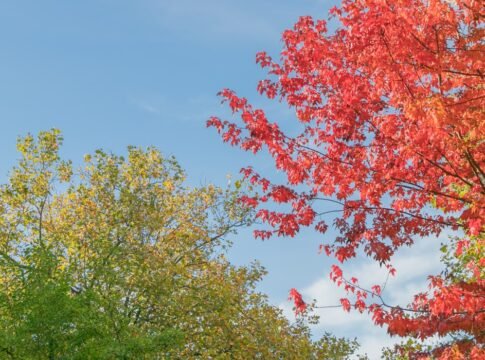
As the seasons change, so too does nature’s vibrant display of colors, painting our surroundings with hues that can delight, soothe, or energize us. From the fresh greens of spring to the fiery reds of autumn, these seasonal colors do more than please the eye; they have a profound impact on our mood and psychological well-being. But how exactly do these changes in nature’s palette affect us, and how can we harness this knowledge to improve our mental health? Let’s explore the science behind this fascinating interplay of colors and emotions.
Core Science/Mechanism
The psychological influence of color is well-documented, with studies showing that different hues can evoke specific emotional responses. This phenomenon, known as “color psychology,” is rooted in both cultural associations and biological reactions. For example, the calming effect of blue is thought to be linked to its association with the sky and sea, while red’s energizing properties are tied to its ability to increase heart rate and stimulate the senses.
Seasonal changes in color can further magnify these effects through a process known as “chromotherapy,” where exposure to specific colors is believed to enhance mood and well-being. Spring’s fresh yellows and greens symbolize renewal and growth, often leading to feelings of optimism and energy. In contrast, the deep reds and oranges of autumn can evoke warmth and comfort, providing a sense of stability as the year winds down.
Practical Steps
Understanding the influence of seasonal colors can help us cultivate a more balanced mood and emotional state. Here are some practical steps to incorporate nature’s palette into your daily life:
- Spring Greens: Surround yourself with green plants indoors to stimulate creativity and reduce stress.
- Summer Blues: Use blue accents in your home decor to promote calmness and relaxation.
- Autumn Reds: Incorporate red or orange elements into your workspace to boost energy and motivation.
- Winter Whites: Embrace white and light colors to reflect light and uplift your mood during darker months.
Nutritional/Lifestyle Synergy
Beyond visual aesthetics, the colors of the seasons also reflect in the foods we consume, which can further enhance our mood and health. Eating a variety of colorful fruits and vegetables, each brimming with unique phytonutrients, can provide a natural boost to your mental and physical well-being.
Spring’s asparagus and peas are rich in folate, which supports brain health. Summer berries, high in antioxidants, help combat oxidative stress. Autumn’s pumpkins and sweet potatoes are packed with beta-carotene, promoting good vision and cell growth. Winter’s citrus fruits, loaded with vitamin C, can enhance your immune system and mood.
Long-term Wellness Impact
The impact of seasonal colors on mood is not just a fleeting influence but part of a broader strategy for sustaining long-term wellness. By consistently engaging with the colors of nature, whether through mindful observation, home decor, or diet, you can help regulate your mood throughout the year. This cyclical approach to color therapy aligns with the natural rhythms of the earth, fostering a deeper connection with the world around you and promoting holistic health.
Summary/Conclusion
Nature’s palette offers more than just aesthetic pleasure; it provides a powerful tool for enhancing mood and emotional well-being. By understanding and utilizing the impact of seasonal colors, we can create environments and lifestyles that support our mental health. Embrace the colors of each season, allowing them to influence your surroundings, diet, and daily practices, and watch as your mood and overall wellness blossom in harmony with nature.
Sources
Psychology Today: The Power of Color
NCBI: The Impact of Color on Mood and Behavior
Harvard Health: Mind & Mood Benefits of Nature
Frontiers in Psychology: Color Therapy and Emotional Well-being
