
Introduction
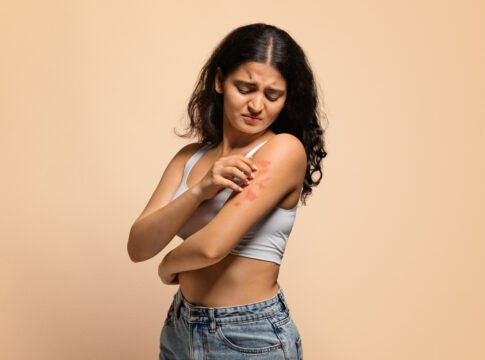
An unexplained itching sensation on your skin can be both irritating and confusing, especially when there is no visible rash, redness, or obvious cause. You may feel the urge to scratch repeatedly, only to find that your skin looks completely normal. This type of itching can occur at any time—during the day, at night, or even after bathing—and can disrupt sleep, focus, and overall comfort. While occasional itching is common and often harmless, persistent or widespread itchiness without a rash may indicate underlying factors related to dryness, nerve sensitivity, or internal health conditions. Understanding why this happens requires exploring how the skin functions, how nerves communicate sensations, and what internal and external triggers can influence this response.
Understanding the Topic
Itching without a visible rash is known as pruritus. Unlike itching caused by allergic reactions or skin infections, this type of itching does not present with obvious skin changes. Instead, it is often linked to internal or environmental factors affecting the skin or nervous system.
Pruritus can be localized to one area or affect the entire body. It may be mild and occasional or persistent and severe. Identifying patterns—such as when it occurs and what triggers it—can help determine the underlying cause.
How the Body/System Works
The skin is the body’s largest organ and serves as a protective barrier against external elements. It contains nerve endings that detect sensations such as touch, temperature, and itching. When these nerve endings are stimulated, they send signals to the brain, which interprets them as an itch.
Moisture levels in the skin play a key role in maintaining comfort. Natural oils and hydration help keep the skin flexible and prevent irritation. When the skin becomes dry or the nerves become overly sensitive, it can trigger itching even in the absence of visible damage.
Additionally, the immune system and certain chemicals in the body, such as histamine, can influence how itch signals are generated and perceived.
Main Causes / Factors
Dry Skin
One of the most common causes of itching without a rash is dry skin. When the skin lacks moisture, it becomes more sensitive and prone to irritation.
Environmental Factors
Cold weather, low humidity, and excessive exposure to air conditioning can strip the skin of its natural moisture, leading to itchiness.
Allergic Reactions
Mild allergic reactions to soaps, detergents, or fabrics may cause itching without immediately visible skin changes.
Nerve Sensitivity
In some cases, itching originates from nerve-related issues rather than the skin itself. This can result in persistent sensations without visible symptoms.
Stress and Anxiety
Emotional stress can heighten sensitivity in the nervous system, leading to increased awareness of itching sensations.
Poor Hydration
Inadequate fluid intake can affect skin hydration and contribute to dryness and itching.
Medical Conditions Linked
Persistent itching without a rash may be associated with:
- Chronic kidney disease
- Liver disorders
- Thyroid imbalances
- Diabetes
- Iron deficiency anemia
- Neurological conditions affecting nerves
These conditions can alter how the body processes toxins or signals sensations, leading to itching.
Lifestyle and Behavioral Factors
Daily habits can significantly influence skin health. Frequent hot showers can strip natural oils from the skin, while harsh soaps and skincare products can cause irritation.
Diet also plays a role. Nutrient deficiencies, particularly in vitamins and essential fatty acids, can affect skin health. Lack of sleep and high stress levels can further worsen symptoms.
Age or Risk Factors
Itching without a rash can occur at any age, but older adults are more prone due to naturally drier skin and reduced oil production. Individuals with existing health conditions or those taking certain medications may also be at higher risk.
People living in dry climates or frequently exposed to environmental irritants may experience more frequent symptoms.
Other Contributing Factors
Additional factors that may contribute include:
- Wearing rough or tight clothing
- Exposure to irritants such as dust or chemicals
- Hormonal changes affecting skin moisture
- Poor air quality
- Lack of proper skincare routine
These factors can trigger or worsen itching.
Symptoms to Watch For
Itching without a rash may present with:
- Persistent urge to scratch
- Dry or rough skin texture
- Sensitivity in certain areas
- Temporary redness after scratching
- Difficulty sleeping due to itching
- Increased irritation in specific conditions
If symptoms persist, they may require further evaluation.
When to Seek Medical Help
You should consult a healthcare professional if:
- Itching is severe or persistent
- It affects sleep or daily activities
- There is unexplained weight loss or fatigue
- Symptoms occur without any identifiable cause
- Over-the-counter remedies do not provide relief
These signs may indicate an underlying medical condition.
Prevention Tips
To reduce itching, consider the following:
- Keep your skin moisturized regularly
- Avoid hot showers and use lukewarm water
- Use gentle, fragrance-free skincare products
- Stay well-hydrated
- Wear soft, breathable fabrics
- Manage stress effectively
These habits can help maintain healthy skin and reduce irritation.
Treatment Overview
Treatment depends on the underlying cause. In many cases, simple lifestyle changes can provide relief. However, persistent itching may require medical intervention.
Treatment options may include:
- Moisturizers and emollients
- Antihistamines for allergic reactions
- Medications for underlying conditions
- Topical treatments to soothe the skin
- Adjustments to skincare routines
A personalized approach ensures effective management.
Conclusion
Itching without a visible rash can be frustrating, but it is often linked to manageable factors such as dry skin, environmental conditions, or lifestyle habits. While occasional itching is usually harmless, persistent or unexplained symptoms should not be ignored, as they may signal underlying health concerns. By understanding how your skin functions and what influences its sensitivity, you can take proactive steps to maintain comfort and prevent irritation. Staying hydrated, using proper skincare, and seeking medical advice when necessary can help you manage symptoms effectively and support long-term skin health.
