
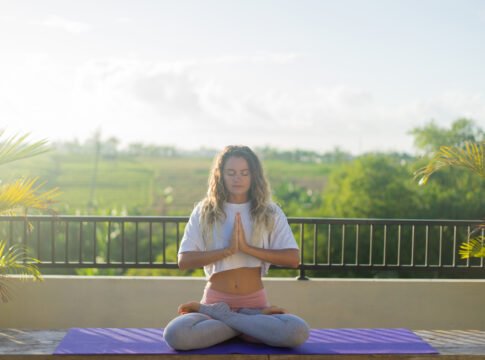
Quick Health Snapshot
- Mindfulness enhances mental clarity and emotional balance.
- Daily practices can reduce stress and anxiety levels.
- Simple techniques can be integrated into your routine effortlessly.
- Encourages a deeper connection with oneself and the present moment.
Understanding the Issue
In today’s fast-paced world, finding moments of peace can feel elusive. Many individuals experience constant stress and anxiety, which can disrupt mental wellness and overall health. Mindfulness, an age-old practice rooted in meditation, offers a holistic approach to addressing these challenges. At its core, mindfulness involves being fully present and engaged with the current moment, observing thoughts and emotions without judgment. This practice has gained significant attention over recent years due to its profound impact on mental health.
Mindfulness helps individuals detach from the constant chatter of their minds, offering a reprieve from stressors and anxieties. This practice is not just about meditation; it encompasses a way of living that promotes awareness and acceptance. The gentle nature of mindfulness makes it accessible to individuals of all ages and backgrounds, offering a pathway to inner peace and tranquility.
Research shows that regular mindfulness practice can lead to reduced symptoms of anxiety, depression, and stress. By cultivating a mindful approach to daily activities, individuals can foster a sense of calm and clarity. This practice encourages people to shift their focus from past regrets or future worries to the present moment, where true peace resides.
The transformative power of mindfulness extends beyond mental wellness. It positively influences physical health by reducing blood pressure, improving sleep quality, and enhancing overall well-being. Understanding the essence of mindfulness and its benefits can empower individuals to embark on a journey towards lasting peace and balance.
Key Benefits & Insights
- Reduces stress and promotes emotional regulation.
- Enhances concentration and mental clarity.
- Improves emotional resilience and response to stressors.
- Encourages a positive relationship with oneself.
- Facilitates better sleep patterns and relaxation.
- Supports overall physical health and vitality.
- Fosters a sense of community and connection when practiced with others.
- Offers tools for managing anxiety and depression.
Practical Steps You Can Take
Incorporating mindfulness into your daily routine can be both simple and rewarding. Start by setting aside a few minutes each morning for mindful breathing. Find a quiet space, sit comfortably, and focus on your breath. Inhale deeply, hold for a moment, and exhale slowly. This practice sets a calming tone for the day ahead.
Another effective technique is mindful walking. As you take each step, focus on the sensation of your feet touching the ground. Observe the rhythm of your movement and the environment around you. This practice can transform a simple walk into a meditative experience, grounding you in the present moment.
Engaging in mindful eating is another powerful way to practice mindfulness. Take time to savor each bite, noticing the flavors, textures, and aromas of your food. This not only enhances the enjoyment of meals but also encourages healthier eating habits and digestion.
Journaling can also be a form of mindfulness. Spend a few minutes each day writing down your thoughts and feelings without judgment. This practice can help you process emotions and gain insights into your mental state, promoting self-awareness and acceptance.
Finally, incorporate gratitude into your daily routine. At the end of each day, reflect on three things you are grateful for. This simple practice can shift your focus from what’s lacking to the abundance present in your life, fostering a positive mindset.
When to See a Professional
While mindfulness can be a powerful tool for enhancing mental wellness, it is important to seek professional support if you experience persistent anxiety, depression, or other mental health challenges. A healthcare professional can provide guidance and therapeutic interventions tailored to your needs.
If mindfulness practices do not alleviate stress or if you feel overwhelmed, consider reaching out to a mental health professional. They can offer additional resources and support to help you navigate your journey towards peace and balance.
